Search Results
9 results for “dermatophytosis”

Dermatophytosis (Ringworm) in Dogs and Cats: Symptoms, Treatment, and Prevention
Dermatophytosis is infection by keratin-loving dermatophytes (Trichophyton, Microsporum, Epidermophyton) that invade the skin, hair, and nails of people and animals; it is commonly called 'ringworm.'

Cat Ringworm (Dermatophytosis): Symptoms and Treatment
Ringworm is a skin disease in cats caused mainly by Microsporum canis, appearing as round or oval patches with gray scales. It is highly contagious and needs long-term care.
Cat Ringworm and Stubborn Skin Issues: How to Choose Treatment
Ringworm (dermatophytosis, often Microsporum canis) is famously stubborn and recurrence-prone, and the usual reason is that a surface-only spray never reaches the fungi hiding in the dermis—so it looks better for a day or two, then flares again. Human products can also irritate cat skin. The practical rule is to match the treatment to severity: a broad-spectrum antiseptic spray for early mild spots, a terbinafine spray for a confirmed simple fungal infection, and a ketoconazole-plus-metronidazole ointment when the lesion is ulcerated, smelly, and mixed with bacteria. This article explains why ringworm recurs, how to pick by stage, and the cautions (licensed products, environmental cleaning) that actually stop it coming back.
Ringworm in Cats and Dogs: Symptoms and Treatment
Ringworm, or dermatophytosis, is one of the most common skin diseases in pets, caused mainly by Microsporum canis, M. gypseum, and Trichophyton mentagrophytes. It matters for public health because most strains are zoonotic, survive for three to four years in dry conditions, and resist ordinary disinfectants. Infection spreads by contact or contaminated objects, peaking in warm, humid weather. Signs are round patches of hair loss, redness, and scaling, usually without itch. Treatment uses topical and, for widespread cases, oral antifungals, plus environmental cleaning. This guide covers the cause, signs, and care.

Home Care for Cat Ringworm: Practical, Low-Cost Treatment
Ringworm, or dermatophytosis, is a fungal skin infection in cats caused mainly by Microsporum canis. Mild cases respond to topical antifungals, B-vitamin support, sunlight, and environmental disinfection, while widespread disease needs medicated baths and veterinary-directed oral antifungals.

Canine and Feline Seborrheic Dermatitis: Symptoms, Treatment, and Prevention
Seborrheic dermatitis is a disorder of skin lipid metabolism in dogs and cats, producing dry scales, greasy sebum buildup, or inflamed crusted skin. It may be primary (often hereditary) or secondary to parasites, infection, or endocrine disease such as hypothyroidism.
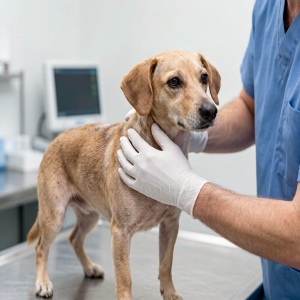
What to Do When Your Dog Is Losing Hair
Hair loss is the shedding of fur. In dogs it may be a follicle disease from self-trauma by scratching or chewing.
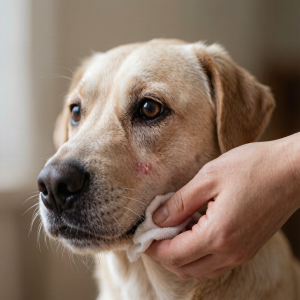
What to Do for Acute Moist Dermatitis (Hot Spots) in Dogs
Hot spots (also called acute moist dermatitis or pyotraumatic dermatitis) are localized, moist, red lesions of skin caused mainly by self-trauma. Acute moist dermatitis is a common skin disease in dogs. It often appears in long-haired and thick-coated breeds and is more common in summer.

How to Identify Ringworm in Cats and Dogs
Ringworm is a chronic, contagious fungal infection of the skin, hair, and claws — and it can pass to people. Any patchy or widespread hair loss should raise suspicion, and a fungal culture remains the definitive test.