Search Results
410 results for “dermatitis”

Treating Mite Skin Disease in Dogs
Mites hide in hair follicles and show as patches of hair loss, redness, and itching that worsen without care. A vet check, a skin spray and ointment, and a clean, dry, disinfected home bring the fastest recovery.

How to Get Rid of Fleas on Your Dog: Effective Removal Methods
Fleas are blood-feeding external parasites that make dogs itch, damage the skin, and can spread other infections. Effective removal means treating the dog, disinfecting the home, and repeating the process because flea eggs are hard to kill and resist a single treatment.
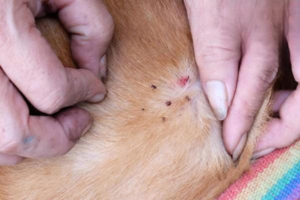
Do Cats or Dogs Have More Parasites?
Cats and dogs share most parasites, so neither has 'more'; the load depends on environment and health. Roundworms, hookworms, tapeworms, and others cause real harm, and a regular deworming schedule keeps them down.

How to Treat a Cat’s Fungal Skin Infection
Cats get fungal skin infections when their skin barrier is weak, from warm indoor air, play wounds, contact with infected cats, or low immunity. Treatment means clipping and medicating the spot, stopping licking, and boosting nutrition until it clears.

How to Treat Skin Disease in a Poodle (Teddy)
Poodles have dense, curly coats that trap moisture and parasites, making them especially prone to mite-driven skin disease in hot weather. Red, itchy bumps, hair loss, and constant rubbing against furniture signal infection. Treatment pairs a topical parasiticide with an oral dewormer, plus a medicated ointment for severe cases, and omega fish oil to aid coat recovery.

Why Your Dog Has Black Patches on Its Belly
Black patches on a dog's belly can be harmless skin thickening from fleas, or a sign of fungal, bacterial, or mite infection. They should not be ignored—working out the cause is the only way to treat it, and good flea control prevents most cases.

Is Dandruff on a Puppy Normal?
Dandruff from normal shedding is too small to see; visible flakes mean a likely skin problem—fungal disease, allergic dermatitis, too much salt, parasites or hormone issues. Bathe on a schedule with puppy shampoo, keep the coat dry, and balance nutrition; persistent flakes need a vet.

White Sesame-Sized Bugs on a Puppy
White sesame-sized bugs on a puppy are usually fleas; their bites cause allergic and bite dermatitis, itching, restlessness and, over time, anemia. Treat with a medicated bath and a vet-recommended spray and ointment, and don't handle the coat bare-handed so eggs don't spread to you.
How do you treat a Poodle’s skin condition, and what medicines work best?
Treating a Poodle's skin condition starts with a vet skin scraping to identify the type — fungal, bacterial, parasitic, allergic, or endocrine. Treatment is then matched: antifungal ointment for fungus, antibacterial spray and oral meds for bacteria, parasite control for external parasites, antihistamines for allergic dermatitis, and gradual management for endocrine issues. Use an Elizabethan collar and keep the bedding clean.

What to Do About Black Bugs on Your Cat
The small black bugs crawling through a cat's coat are usually fleas. A heavy flea burden causes anemia, spreads internal parasites and triggers allergic skin disease, so treat the cat and its home together. Regular topical prevention keeps fleas and other external parasites away.
- « Previous
- 1
- …
- 39
- 40
- 41