Search Results
111 results for “damp weather”

How Dogs Develop Eczema
Damp weather turns a dog's coat into a breeding ground for bacteria. Long unkempt fur, joint pain, separation anxiety, weak immunity, and wet environments all push dogs toward eczema. Learn the common pathways.
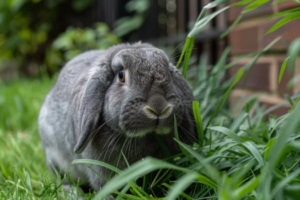
Rabbit Respiratory Inflammation
Respiratory inflammation hits any age in any season and worsens in damp weather, but caught early it's minor. This guide covers causes, signs, and the rinse-and-antibiotic treatment.
How can I prevent dog joint disease?
Prevent joint disease by keeping a healthy weight, exercising moderately (walks, swims, jogs) to build muscle without over-wear, and warming the dog in cold, damp weather.

Preventing Common Spring Cat Diseases
Spring raises two risks. Urinary disease peaks in damp weather, driven by low exercise and water intake; watch for straining and act fast to avoid acute kidney failure. Colds strike with big day-night temperature swings; keep cats warm, dry, and sheltered from drafts, and seek care if they refuse food with a high fever.
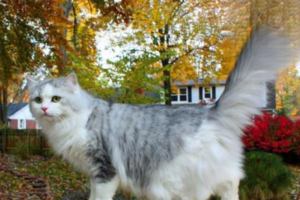
Winter Cat Care: What to Watch For
Winter can be a strange time for our cats — odd furniture and noises like heaters and fireworks. Cold weather brings extra risks too.

Common Body Diseases of Corgis
Corgi's short legs became a cute label, drawing many owners. But those traits also carry disease risk. Here are the body defects.
Hamster’s belly lost all its fur a few days ago
Belly hair loss in hamsters comes from poor nutrition, damp housing, or bacterial or fungal infection. A vet check is needed for an accurate diagnosis.
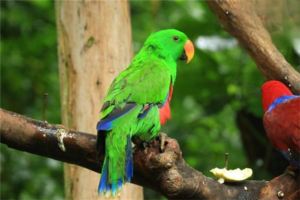
Causes and Prevention of Parrot Trichomoniasis
Parrot trichomoniasis is a parasitic disease caused by flagellate trichomonas, attacking the upper digestive tract. Without timely treatment, the esophagus can block, causing starvation. Owners should prevent it. Our team shares prevention methods.

What to Watch for When Raising Dogs in Spring
Spring's high humidity and active parasites raise the risk of skin disease, colds, and stomach upset in dogs. Keep the coat dry, warm the dog after baths, add vitamins during the shedding season, and deworm monthly (pups) or every 2-3 months (adults).

Degenerative Arthritis in Dogs and Cats: Symptoms, Treatment, and Prevention
Degenerative arthritis (osteoarthritis) is non-suppurative wear of joint cartilage from years of uneven load, more common in older pets. It causes pain, stiffness, limited motion, and lameness that worsens with activity and cold weather. Weight control, controlled exercise, pain relief, and surgery in severe cases manage it.