Search Results
57 results for “cushion”
What Is a Cat’s Primordial Pouch?
A cat's primordial (or 'primordial') pouch is a normal flap of skin and fat on the lower belly, present in all felines and shaped by genes rather than weight. It cushions the abdomen during fights, lets the cat store more food energy, and increases hind-leg reach for jumping—and it is not the same as obesity or a hernia.
Is a Cat Bed a Must-Have or Just a Gimmick?
A cat bed isn't a gimmick, but it's not strictly necessary either — it depends on the cat. A good bed gives a sense of security and warmth in winter, beyond just a place to sleep. If your cat ignores the bed, don't force it; a box, blanket, or pet mattress works too. Choose soft, warm, breathable natural materials like short plush or felt, and pick a size about 1.5 times the cat's body length — cats like a snug wrap and a too-big bed feels insecure.

What to Do When a Kitten Won’t Sleep in Its Bed?
A kitten that refuses its own bed and insists on sleeping with you is usually driven by a need for security, warmth, or companionship. To gently change the habit, set up a roomy, cozy bed with a soft cushion—and, for a clingy kitten, tuck in a piece of your worn clothing so it can smell you. Place the bed somewhere quiet, warm, and dim, and spend calming time playing and grooming before sleep to help it settle. Build independence gradually: move the bed a little farther from your own over time, and keep night-time interaction low. Patience and consistency turn the cat bed into a place your kitten chooses on its own.
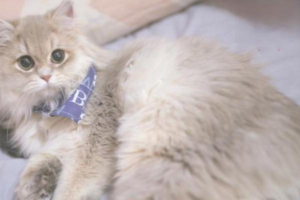
That Cat ‘Beer Belly’ Is Actually Normal
Before you worry your cat is overweight, know that the saggy belly flap is usually a primordial pouch, not fat. Nearly all cats, wild and domestic, carry this loose skin, a leftover from ancestors who stored food and needed extra room and protection. Understanding it saves you from needless dieting and explains why some abdominal surgeries change a cat's flexibility.

Your Dog’s Pica (Eating Non-Food) Is Simpler Than You Think
Pica is when a dog eats non-food items. Some dogs fixate on one object; others eat all sorts of strange things. It is dangerous because what they swallow usually stays in the gut undigested or disrupts digestion. Pica is not the same as eating feces—that common behavior is not classified as pica and is no cause for alarm. Causes range from simple hunger, poor nutrition, and hormonal imbalance to diabetes, thyroid disease, and even separation anxiety or stress (some breeds like Labradors are more prone). Diagnosis needs blood, stool, and urine tests, with no guarantee of an answer. Treatment depends on the cause: physical pica with digestive upset may improve by splitting two large meals into 3–4 small ones plus deworming and nutrition; psychological pica needs patient, cumulative retraining. Above all, do not blindly dose supplements—every dog's pica has a different cause.

Training Your Cat to Sleep in Its Own Bed
Want your cat off your bed and out of the crevices? Lure and train it to a designated spot. Give it a dedicated bed—a cushion, a box with old clothes, a cat sofa, hammock, tent, or even cardboard—placed in a quiet corner, ideally one you can close to enforce the habit early. Build the routine by returning the cat to the bed whenever it wanders, linking sleep to dimmed lights and a pre-bed meal, and use a bedtime snack to draw it in and keep it off forbidden spots.
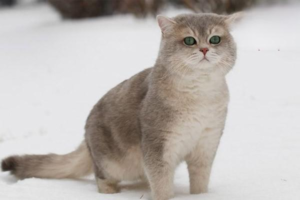
Why Does My Cat Always Lie Down? Understanding Feline Arthritis
If your cat spends most of its time lying down, walks with a limp, or refuses to be touched on the hind legs, it may be suffering from arthritis—a condition that affects up to 90% of cats as they age. Arthritis is the inflammation and degeneration of joint cartilage, most often secondary (degenerative) arthritis, which worsens as cats grow older. Cats are masters at hiding pain, so signs like reluctance to jump, reduced grooming, increased sleeping, and irritability can easily go unnoticed. Causes include aging, genetics, obesity, injury, and acromegaly. Treatment combines veterinarian-supervised medication (NSAIDs such as meloxicam), weight management with omega-3 and glucosamine supplements, and environmental adjustments like steps and soft bedding. Prevention starts with a healthy diet and keeping your cat lean.
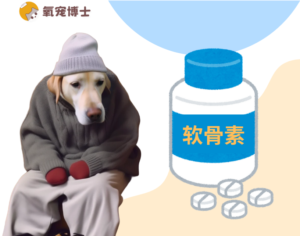
What Is Chondroitin for Dogs, and Who Needs It?
Chondroitin, or chondroitin sulfate, is a natural compound in cartilage that feeds joint cells, locks in joint fluid, and calms inflammation. Healthy young dogs get enough from food, but seniors, large breeds, dogs with joint-prone genetics, the obese, and hard-working dogs benefit from supplements—ideally paired with glucosamine and omega-3. It supports, not replaces, veterinary care for real joint pain.

One-Spot Butterflyfish
The One-Spot Butterflyfish (Chaetodon unimaculatus), also called the Teardrop Coralfish, is a distinctive common butterflyfish from the Indo-Pacific tropics, named for the single black spot on its upper side. Reaching 20 cm, it is gentle and best kept in a mature reef tank with stable marine water.

Whitefin Surgeonfish
The whitefin surgeonfish (Acanthurus albipectoralis) is a Great Barrier Reef tang that grows to ~33 cm and is uniformly black with a white rear-half pectoral fin. A marine (saltwater) species, it is aggressive to its own kind but peaceful with others, and needs a large reef tank with stable, high-quality water and both meaty and algal foods.