Search Results
14 results for “crystal litter”
Helping Your Cat Love the Litter Box
Most cats use litter naturally, but some need coaching. A clean box, the right litter type and scent, a slow switch when changing brands, and thorough cleanup of accidents all build the habit. This guide covers setup, litter choice, changing frequency, and removing odor traces that invite repeat accidents.
Choosing the Right Cat Litter
Cat litters split into non-biodegradable (inorganic) and biodegradable (organic). Inorganic: fuller's earth (clay, non-clumping, but flushable), bentonite (clumps well but dusty and heavy, fragrance-added), silica/crystal (absorbent, low clumping; some have cobalt chloride or pH indicators—avoid long-term cobalt use), ceramic and zeolite (reusable, need a double box). Organic: plant litters (pine, paper) and grain litters (tofu, corn, wheat)—light, flushable, clumping, but watch mold/mycotoxin risk and don't believe 'edible' claims. Pick by your cat's needs and a flushable, low-dust preference.
How to Choose a Litter Box
Every cat needs a litter box, and picking the right one keeps your cat using it happily. The basic choice is single-layer (best for clumping litters like clay, tofu, or paper) versus double-layer (for crystal or disintegrating wood litter with a drawer below). Covered boxes add privacy but trap moisture and bacteria, while open ones vent better. Specialty styles include toilet-style trainers, top-entry 'snail' boxes (which can trap kittens or seniors), and self-cleaning planet-shaped units great for multi-cat homes but risky if a cat enters mid-cycle. Whatever you choose, scoop daily and wash weekly — but keep a little old litter so the scent stays familiar.
Tips for Choosing the Right Cat Litter
Cat litter is essential from the day a kitten learns to use the box until the end of its life. The market offers bentonite, plant-based (tofu), crystal (silica), and recycled-paper litters, with bentonite, plant, and crystal being the most common. Beyond type, what matters for your cat's health is avoiding chemical binders and artificial fragrances and using the litter correctly — a 5 to 7 cm depth, daily scooping, and a full change every week or two.
How to Choose the Right Cat Litter
The wrong litter can contribute to urinary problems in cats, so choosing well matters. This guide compares the main types of cat litter—plant-based (tofu, corn), paper, bentonite clay, crystal (silica), and pine or wheat—and lays out the pros and cons of each. Understanding clumping ability, dust, flushability, odor control, and cost helps you pick a litter your cat will actually use and that supports its urinary and respiratory health.
Why Won’t My Cat Use the Litter Box?
A cat that suddenly stops using the litter box is sending a signal, not being spiteful. The cause is usually the box itself—dirty, cramped, noisy, the wrong litter, or too few boxes in a multi-cat home—or a health issue like constipation, diarrhea, or joint pain. Stress from changes at home is the third big driver. Fix the box and environment first; see a vet if pain or abnormal stool is involved.

Why Cats Pee Outside the Litter Box: Medical Causes
Inappropriate urination — peeing outside the litter box — is frustrating, but it's often a signal of an underlying medical issue. Here is how to identify the culprit and which conditions your vet will rule out.

When Your Cat Struggles to Use the Litter Box
Straining in the litter box can mean lower urinary tract disease or a bowel problem such as constipation. Male cats with a urinary blockage are in danger, and repeated vomiting from straining is a red flag for urgent care.
How to Stop Your Cat from Peeing on the Bed
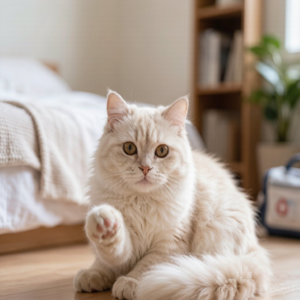
Finding a yellow wet spot on the bed is every cat owner's nightmare. Before anything else, rule out disease: feline lower urinary tract disease (FLUTD) makes urination painful, so cats link the box with discomfort and seek softer spots like the bed. If peeing comes with straining, blood, or constant licking, see a vet. Non-medical causes are a disliked litter box (bad location, poor hygiene, wrong litter, too few boxes in multi-cat homes) and stress or anxiety. Fixes: upgrade the box, scoop twice daily, follow the n+1 rule, ease anxiety with play and pheromone spray, and remove the urine scent with an enzymatic cleaner plus detergent. Most cats return to normal in 2-3 weeks.

Male Cat Cystitis with Pink Urine: A Recovery Case
A 4-year-old male cat had on-and-off pink, blood-tinged urine—classic of cystitis, urethritis, or crystal irritation of the lower urinary tract, which causes frequent, scanty, painful urination. A diuretic to flush the tract plus an antibiotic for infection, with plenty of water and clean litter, brought normal urine color in about three days. Recurring pink urine, though, deserves a vet check for stones.