Search Results
7 results for “crop impaction”
My parrot has crop impaction and can’t pass it; making it vomit didn’t work either.
For mild crop impaction in a baby parrot, try bird probiotics and warm water with gentle crop massage. If severe with bloating, use a tube to the crop to suction out food. Withhold food, give gut medicine, then offer warm water after a few hours.

Why Is My Parrot’s Crop Enlarged?
A swollen, rounded crop in a parrot often means crop impaction (also called crop stasis), where food forms a hard mass and lingers too long—usually from indigestible food. This article covers the causes, symptoms, and how to relieve crop impaction.
My duck is sneezing, its crop feels a bit swollen, and it is low in spirits
A swollen duck crop suggests impaction, possibly from moldy food causing chronic gastroenteritis; keep diet and environment clean and try yeast tablets or manually remove impacted food. It could also be airsacculitis—find the cause (bacteria, virus, heat/cold stress) and treat accordingly.

How Long Can a Parrot Survive Crop Stasis, and How Is It Treated?
Crop stasis (also called crop impaction) in parrots is often caused by a blockage below the crop or by slow digestion, and if left untreated a parrot—especially a chick—usually survives no more than about three days. Prompt care includes withholding food and water, giving probiotics, and, for severe cases, clearing the crop with a syringe and tube or seeking veterinary treatment.

What Does a Parrot’s Crop Do?
A parrot's crop stores and softens food and lets parent birds feed their chicks, making it vital to digestion and breeding. Problems like impacted or bloated crop usually come from cold formula, poor feeding, or digestion issues—prevent them with regular feeding, no cold/raw food, and controlled portions.
How often should a myna be fed?
An adult myna eats twice daily, morning and evening, since it digests and excretes fast. Juveniles need feeding every 2 to 3 hours but in small amounts to avoid crop impaction; adults use special feed twice a day.
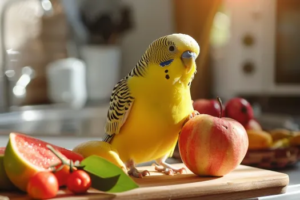
How to Care for a Baby Cockatiel (Hand-Feeding Guide)
Baby cockatiels need formula or soft millet porridge at 38–40°C before weaning, then seed and pellets with weekly fruit, vegetables, and cuttlebone. Keep the brooder at 20–26°C, clean the cage often, and discard old food and water daily to prevent diarrhea.