Search Results
135 results for “conjunctivitis”
Dog Bloody Stool and Vomiting: Causes and Solutions
Dog vomiting with blood in the stool can stem from simple overeating, gastroenteritis, serious viral disease (distemper or parvovirus), or parasites. Overeating and rough play after meals cause acute vomiting; gastroenteritis brings recurring diarrhea and sometimes blood; parvovirus shows lethargy, foul diarrhea, and respiratory signs; long gaps since deworming point to parasites. See a vet for diagnosis, fast the dog, and use probiotics to support recovery.

Why Is My Dog’s Eye Swollen?
A swollen dog eye can come from many sources: a diet that's too salty or dry (so-called 'internal heat'), minor bumps and scratches from play, a stray eyelash or dust, strong odors, or an actual eye infection like conjunctivitis. Mild cases often improve with a gentle clean, a saline rinse, and dog-specific eye drops, but swelling with redness, discharge, or no improvement after a few days should be checked by a vet. Acting early prevents minor irritation from becoming a serious infection.
Senior Dog Vision Fading? Foods That Protect the Eyes
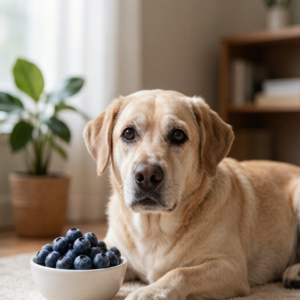
Eye disease is common in dogs—conjunctivitis, keratitis, glaucoma, cataracts—and over half of dogs past ten develop cataracts. Diet can slow that decline. Vitamin A from liver and carrot supports night vision; antioxidants like lutein, vitamins C and E, and anthocyanins guard the retina; omega-3 from fish eases dryness. Avoid overdoing vitamin A or raw food, and get seniors checked yearly.
What medicine helps my dog’s tear stains heal faster?
Tear stains have different causes — blocked tear ducts, conjunctivitis, keratitis — so there is no single 'pill' that fixes them. Massage the tear glands, use an eye-care gel, and for inflammation use pet-specific antibiotic eye drops or ointment; the exact treatment depends on the diagnosed cause.

How Feline Chlamydial Pneumonia Develops
Feline chlamydial pneumonia is a highly contagious but uncommon cat disease, well covered by routine vaccination, so regularly vaccinated cats rarely catch it. It spreads through eye, nose and mouth secretions on shared bowls, cages or hands, and by sneezing. It starts as conjunctivitis and, left untreated, can advance to fever, pneumonia and infections of the airways or reproductive tract. Antibiotic eye ointment and oral antibiotics clear it, but recovered cats still carry and shed the organism, so isolation matters.
My cat has a membrane in its eye, with tear stains and eye discharge – what could it be?
A membrane in the eye with tear stains can be from heat, conjunctivitis, keratitis or more. Here is the first-aid and when to see a vet.
Why Are My Cat’s Eyes Always Wet?
Constant wetness at a cat's eye corners is usually harmless tear pooling—after waking, mild dust, or the narrow tear ducts of flat-faced breeds like Exotics and Persians. But it can also signal conjunctivitis, keratitis, a blocked tear duct, or irritating fur. Yellow-green pus, swelling, or sneezing with poor appetite means a vet visit. Start with gentle cleaning and a few days of observation.
Why is my cat tearing up or have watery eyes?
Causes: irritants, eye disease, odors, allergies, respiratory infection. Flush debris with saline; red or swollen eyes need a vet.
Why Are Your Cat’s Eyes Red?
Red eyes in cats have many causes, including injury, foreign objects, ingrown lashes, keratitis, corneal damage, and new corneal blood vessels, each needing different care. If you see redness, check for debris and rinse with saline, then use a pet eye drop; if redness comes with other signs, see a vet. Conjunctival congestion from conjunctivitis or corneal injury eases with decongestants, while deeper ciliary congestion from severe corneal damage, uveitis, glaucoma, or tumors needs diagnosis. Viral colds with eye redness also bring sneezing and discharge.

What Causes Eyelid Entropion in Dogs?
Dog eyelid entropion comes in congenital and acquired forms. Breeds like Shar-Pei, Chow, Great Dane, miniature Poodle, Saint Bernard, and Labrador are prone to the congenital type because of facial structure and genetics. Acquired entropion follows conjunctivitis, foreign irritation, ingrown or double eyelashes, dry eye, or corneal ulcers, and shows as spasmodic muscle contraction; seniors may get it from lost tone. Most cases ease once the cause is removed, but if not, eyelid surgery is likely needed.