Search Results
14 results for “compulsive behavior”

Canine Self-Biting (Acral Self-Trauma) Syndrome: Symptoms, Causes, and Care
Self-biting syndrome is a compulsive behavior in dogs that leads to biting of the tail, limbs, or body, causing wounds and infection. It stems from parasites, nutritional gaps, allergies, or anxiety, and requires both behavior and medical management.
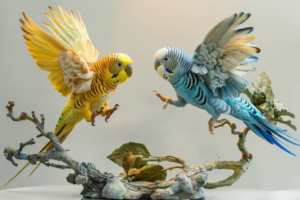
How to Treat Severe Feather Loss in Parrots
Heavy feather loss in parrots usually signals feather-picking syndrome, driven by parasites, skin infection, nutritional gaps, a poor environment, hidden illness, or stress. Treatment starts with pinpointing the cause — a better diet, a vet exam with skin scraping, or cleaner surroundings — and keeping the bird in a stable, calm home.

Why Dogs Chase Their Tails: Six Reasons Behind the Habit
Tail-chasing is rarely just a quirky game — it can mean boredom, a cry for attention, fleas or parasites, or an inflamed anal gland a dog cannot otherwise reach. In some dogs it becomes a compulsive loop, and a Husky may simply be being a Husky, but persistent spinning deserves a closer look.

What to Do When Your Dog Keeps Chasing and Biting Its Tail
Dogs love chasing their own tails, endlessly - you never know when they will stop.

Why Do Cats Steal Things?
Cats steal and hide things mainly from a leftover hoarding instinct, from boredom or stress, or, rarely, from a compulsive disorder. It's usually harmless, but watch that they don't swallow dangerous objects — and give them daily play and attention to curb the habit.

Causes of Rabbit Pica
Rabbit pica — the compulsive eating of non-food items such as fur, bedding, or newborn kits — usually arises from a mix of behavioral, environmental, nutritional, and health factors. Cage confinement, stress, poor husbandry, low fiber or mineral gaps, and skin parasites are the most common triggers. The fix starts with finding the root cause: a calm, clean enclosure, plenty of hay, added minerals, and prompt parasite treatment.

Why Does My Dog Chew Things Up?
A dog that suddenly starts destroying things is usually acting out of heat, teething, boredom, or a bid for attention — and rarely, rabies. Give it safe chew toys, use scent deterrents on forbidden objects, and correct the habit early; if the chewing comes with illness, see a vet.

Why Pets Constantly Lick Their Paws
Dogs/cats licking paws is normal; don't panic. But if too frequent, check the pad for redness/swelling; if found, see a vet - long ignored, infection worsens.

Why Your Dog Always Acts Hungry
A dog that acts hungry may just be a natural eater, a fast eater, or responding to table scraps and enhancers. Diseases like Cushing's, diabetes, and parasites can also drive constant hunger.

Can Dogs Have a Cleanliness Obsession?
Some dogs show a near-obsessive need for cleanliness—excessive self-grooming, refusing dirty spots or a smelly bed, even enjoying baths. It can be genetic or stem from anxiety, stress, or past trauma. Keep the body and environment clean (without over-bathing), train and socialize for confidence, and seek a vet or behaviorist if it disrupts life.