Search Results
54 results for “colostrum”

Feeding Management for Rabbits by Life Stage
Rabbit feeding changes by stage: kits need colostrum within 10 hours and a warm dry box at 28-31°C, pellets start at 16-22 days, twice-daily junior formula at 40 days, and grass alongside feed at 60-90 days. Keep housing clean and dry and prevent coccidiosis, overeating, and diarrhea.
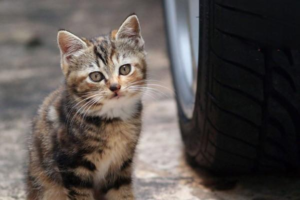
Can Cats Drink Camel Milk?
Cats can drink camel milk because it is lactose-free and unlikely to cause the diarrhea or bloating of lactose intolerance. It is lower in fat and rich in vitamin C and iron, but choose a pet-formulated product from a safe source; low-allergy goat-milk powder remains the safer everyday option.
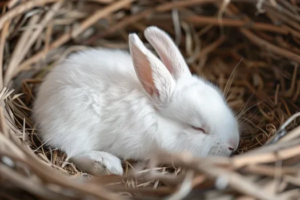
How to Care for and Manage Nursling Rabbits
Nursling (unweaned) rabbits are the hardest to raise because their bodily systems are immature and even slight chilling can be fatal. Key management steps include ensuring prompt colostrum intake, keeping the nest warm and rat-free, feeding on a set schedule, starting supplemental feed at 18 days, and weaning scientifically.

How to Care for Unweaned Rabbit Kits
Unweaned kits are fragile—they need colostrum within 6 hours, a warm dry nest, balanced nursing, and gradual bedding changes, with supplementation from 18 days and weaning at about 35 days once they reach 1.2 lb. Careful nursing raises survival.

Symptoms and Control of Canine Coronavirus
Canine coronavirus ranges from no signs to fatal gastroenteritis — puppies suffer most. Treatment is symptomatic, but prevention is what really matters. Learn the symptoms and the control steps.

Onset and Virus Traits of Canine Coronavirus
Canine coronavirus is scary mainly for puppies — often fatal to them while mild in adults. It strikes puppies most. Learn how it spreads, what the virus is like, and how to keep unvaccinated puppies safe.

How to Treat Canine Coronavirus
Note: this is not the human COVID of 2020–2021. Canine coronavirus is a dog infectious disease with clear gut signs; puppies are hit hardest and can die. Learn its treatment and how to prevent it.
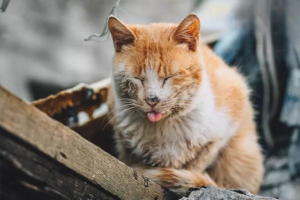
Common Causes of Shivering in Cats and Dogs and How to Manage Them
Shivering is body trembling from cold, emotion, disease, or weakness—common in pets, and seizures include it. Causes range from simple cold to poisoning or infection; this article reviews them.

Nine Measures for Steady, High-Yield Rabbit Breeding
Steady, high rabbit yields come from selecting strong breeding stock, mating at the right time, careful feeding, protecting pregnancy (days 10-20 are highest risk), assisted birth, attentive postpartum and kit care, and timely weaning at 40-45 days.

Why Do Kits Die More in Winter?
Winter breeding matters to rabbit farmers; with fewer pathogens, survival should be high — but poor conditions (bad temperature) kill frail kits. Here are the causes and prevention.