Search Results
122 results for “coloration”
My fancy rat has swelling, red-purple discoloration, and strong pain on the right side of its mouth, with abnormal breathing (different from a respiratory infection) and slightly low energy.
Mouth swelling and pain may be inflammation from bacteria or food fermenting; rats store food in their cheeks, which can ferment. Give anti-inflammatory medicine like gentamicin, reduce feeding, and clean the mouth regularly.
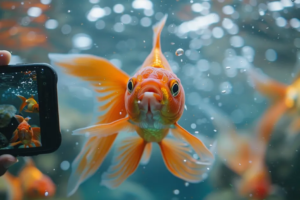
How Arowana Coloration Works
An arowana's vivid color comes from pigment cells in its skin, shaped by light, environment, mood, and hormones. Early coloration is driven mainly by the environment—especially lighting that reaches into the water—while hormones matter more as the fish matures and during breeding. Use white light when young and add red light later to deepen and widen color; golden arowana mainly need white light plus a warm-yellow light once mature.

The Critical Period for Arowana Coloration
Red arowana begin showing color at about 25 cm (on the gill plates), with the first scale frames coloring by 30 cm and deepening slowly up to 50 cm. Color depends on stable water, proper food, and light, but a fish's body shape develops mainly in its first 2–3 years—so before age 3, focus on growth and nutrition rather than color alone.

Favorable Conditions for Arowana Coloration
Good arowana color rests on five pillars: a pure bloodline, stable and clean water, a dark yet well-lit tank with combined top and side lighting, varied and nutritious feeding, and a balance of slow and fast growth. Patience is essential, because coloration is a long, gradual process.

Why Arowana Lose Color and the Risks of Forcing Quick Coloration
Arowana can fade because of heat, poor water quality, or long-term pigment feeds, and some fading is permanent. Many keepers chase rapid, vivid color, but the tricks used—restricted feeding, lower temperature, lower pH, reduced water flow—stunt the fish's growth and rob it of its natural stature. Balanced development matters more than looks.

Common Symptoms and Causes of Dog Gingivitis
Dog gingivitis is a common dental disease and the early stage of periodontal and gum disease. If left untreated it can easily progress to periodontitis and, in severe cases, lead to tooth loss. If your dog develops gingivitis, prompt detection and treatment are important. Let's look at the symptoms and treatment of dog gingivitis.
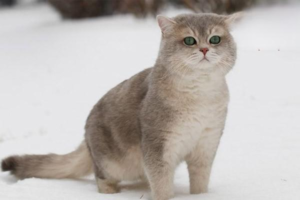
Symptoms of Skin Cancer in Cats
Skin cancer can hit cats, and harms them more. Cats die of it more often than people—because thick fur hides skin changes early. But caught early, it is curable. Here are cat skin-cancer symptoms.

Is Dog Skin Cancer Linked to Too Much Sun
Skin tumors mean skin cancer—benign or malignant, new growths in skin or subcutaneous tissue. Some say dog skin cancer links to sun; is it true? Here are the causes.
My dog’s eye had an ulcer, healed for a few days, then suddenly turned blue; after eye drops it turned red. Is redness a sign of improvement?
Based on your description, the ulcer and blue discoloration may be from physical injury or cataracts. Do not medicate without a diagnosis; seek veterinary care.
Why has my hamster’s eye turned white?
A hamster's eyes can turn white for several reasons, including infection, injury, allergies, and genetic disease. If bacteria or a virus infects the hamster, it may cause eye inflammation and a whitening of the eye. In that case, anti-inflammatory eye drops can help.