Search Results
2785 results for “cold”
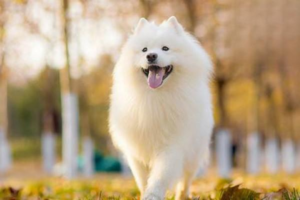
Autumn Care Tips for Your Dog
Autumn means more parasites, bigger temperature swings, coat change, and easy chills. Stay on top of internal and external parasite control, add a warm blanket and balanced nutrition, and keep a probiotic handy for loose stools.

Keeping Cats Warm in Winter — Without the Common Mistakes
Cats feel the cold despite their fur. Don't overheat the room (cats can't sweat), don't over-dress thick-coated breeds, and protect paw pads from winter dryness and cracking.

Autumn Joint Care for Dogs: What to Watch
After a hot summer, dogs tire easily in autumn — and extra exercise to rebuild strength can strain joints. Keep weight down, trim nails, warm the bed, and avoid hard running; joint supplements and a vet-approved plan help arthritic dogs.

Should You Dress Your Dog in Winter? The Pros and Cons
Coats keep short-haired, frail, or senior dogs warm and shield fur from dirt and germs — but on long-haired dogs they cause matting, and tight or rough fabric can trigger skin allergies and chafing. Choose loose, comfortable clothing if you dress them at all.

A Winter Care Guide to Keeping Your Dog Warm
Winter warmth is the top concern for dog owners, yet many fall into traps. Meet higher protein needs, keep water and probiotics up, and use rugs, proper clothing for short-coated breeds, and safe sunlight to stay warm.
My dog has a fever and this is my first time — what should I do to bring the temperature down?
The most effective way to cool a fever is physical cooling — a cold towel applied to the body is the fastest, most practical method. Cooling only eases symptoms; for a real cure a dog-specific fever medication or a vet injection is needed. The common approach is a vet-recommended fever reducer or a visit to the veterinary clinic.
What are the signs of fever in a dog, and how can I tell if my dog actually has a fever?
The clearest sign is a rising body temperature—measure it with a thermometer placed under the dog's armpit for a few minutes. A reading above 39.2°C confirms fever, after which the dog may refuse food, drink more, or seek cool spots. A canine fever-reducing medication or a vet visit can follow.

Why Is Your Dog Coughing on and Off?
Intermittent coughing splits into harmless (a stuck item) and illness (seasonal cold, kennel cough, parasites, even heart trouble). Match the pattern — and see a vet for anything long-lasting or recurring.
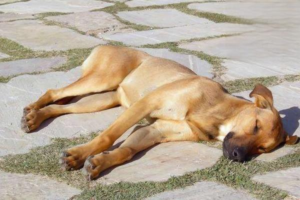
Why Is Your Dog Panting Rapidly with a Trembling Belly?
Rapid breathing with a shaking belly can be normal — after exercise, in heat, or from excitement — or a sign of illness such as a respiratory infection, pneumonia, or heart trouble. Match the pattern to the cause; see a vet for pneumonia or heart disease.
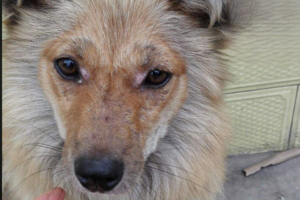
What to Do When Your Dog Has Ringworm on Its Face
Ringworm on a dog's face causes hair loss, itching, bumps, scabs, and redness, and spreads to other pets — isolate and collar the dog first. Disinfect, clip and treat the spot with antifungal spray and ointment, and add nutrition and parasite control.