Search Results
2785 results for “cold”

Dog Fever: Symptoms and What to Do
Dog fever often follows a chill, heatstroke, postpartum low calcium, or viruses like distemper and parvo. Signs include a dry hot nose, fast breathing, and red eyes, and a temperature above 39.5C (103F) means it is time for a vet.

Scottish Fold Cats and Their Genetic Health Problems
Scottish Fold cats were bred for their folded ears, but the same gene that folds the ear also causes painful bone and cartilage disease. Every Fold carries the defect, so care focuses on comfort, a gentle diet, and daily grooming they cannot do themselves.
What to Do When Your Cat Has Cat Flu
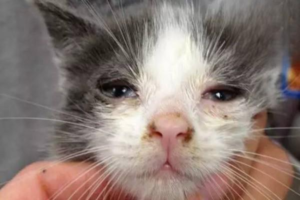
Cat flu (feline rhinotracheitis) is often mistaken for a cold but is a viral upper-respiratory infection that can kill if ignored, especially in kittens. Antiviral and lysine support plus a clean, low-dust environment are the main care steps.

Puppy Tracheitis and Bronchitis: Symptoms and Treatment
Dog tracheitis and bronchitis come from repeated viral or bacterial infection plus cold, smoke, and dust irritation, but with good home care and the right medication the recovery rate tops 95%. Watch for cough, fever, and breathing trouble.

Dog Food That Works Best for Tear Stains
Tear stains are dried tears that spill onto the fur when the ducts cannot drain them, usually from irritation, high-salt food, or poor diet. A light, low-sodium natural food plus simple eye care is the most reliable way to reduce them.

What to Do When Your Dog Has Ongoing Diarrhea and Won’t Eat
Persistent diarrhea in dogs usually traces back to cold exposure, parasites, a sudden food change, or illness such as enteritis, parvovirus, or distemper. Treat the cause, keep your dog hydrated, and get veterinary help if symptoms are severe.

How to Treat a Kitten That Gasps Like It’s Having an Asthma Attack
A kitten that gasps like it's wheezing usually has feline asthma — chronic bronchitis or bronchial asthma, mostly allergic. Triggers include dust, pollen, and irritating food or gut blockage. Mild cases need calm, slow water, and probiotics; allergic attacks need vet-prescribed cough and phlegm relief, plus reduced dust and a healthy weight.

Treating Dog Diarrhea: Causes and Care
A dog's gut is extremely delicate, so diarrhea is very common — and the right treatment starts with the right cause. Parasites, poor feeding, frequent food switches, chills, or infectious disease each need a different response. Match the care to the trigger, and see a vet for nonstop or bloody diarrhea, since parvovirus may be involved.

What to Do When Your Dog Is Both Vomiting and Having Diarrhea
A dog's fragile gut makes vomiting-plus-diarrhea common, from gut irritation and colds to irregular feeding. Start with an 8–12 hour fast from food and water, then rule out parvovirus, distemper, or coronavirus if unvaccinated and severe. Keep food bland, warm the dog for colds, and train 'leave it' to avoid road food.

What to Do When a Dog Has Diarrhea After Giving Birth
A mother dog is weak and low-immunity after whelping, so diarrhea often follows stress, chills, or diet. Fast and observe, give glucose and light salt water, then bland high-protein food in small frequent meals; keep her warm and calm. Read the cause before treating.