Search Results
2785 results for “cold”

Red-shouldered Macaw
Macaws are never small in size, and even as the smallest macaw, the Red-shouldered Macaw exceeds 30 cm in body length. Because it can talk, the Red-shouldered Macaw has found its way into many homes. With proper care it lives about 20 years, though records show the oldest individuals can reach 80 years of age.

Scaly-headed Parrot
The Scaly-headed Parrot (also known as Maximilian's parrot) currently has four subspecies. It is the most intelligent and most talented talker among the Pionus genus of parrots. It is mainly distributed across Argentina, Bolivia, Brazil, and Paraguay.

Blue-fronted Amazon
The Blue-fronted Amazon is one of the more common Amazon parrots, with very bright plumage. Its drawback is a loud call, so it is best kept in a detached house where it will not disturb neighbors. Its diet is varied and easy to manage.

Chestnut-Fronted Macaw
The Chestnut-Fronted Macaw rivals the large macaws in talking ability. It has very beautiful plumage, a medium build, and a featherless face covered with small black spots. It originates from the tropical regions of the Americas.

Blue-throated Macaw
The Blue-throated Macaw is a native of the tropical Americas and is very similar to the Blue-and-yellow Macaw, sharing the same curious, playful, and friendly personality. With strikingly beautiful plumage and a very long tail, it is a large climbing parrot with a correspondingly large appetite.

Bluethroat
The Bluethroat (Luscinia svecica), also known as the bluethroated robin, is a small, shy songbird that favors shrubland and reed beds. It darts short distances along the ground and frequently flicks or fans its tail, and its song is especially beautiful.
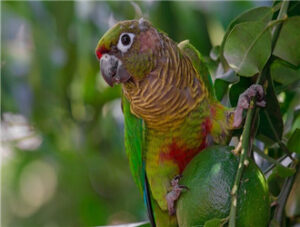
Green-cheeked Conure
The Green-cheeked Conure (Pyrrhura molinae), also called the green-cheeked parakeet, is a typical climbing bird with richly colored plumage. It is mainly distributed in the highlands of eastern Bolivia.

Siberian Blue Robin
The Siberian Blue Robin (Luscinia cyane), also called the blue-tailed robin, is widely distributed and in the wild likes to dwell near the ground, hiding among reeds and thorns. Its type locality is the Daurian region of Siberia.

What to Do When a Cat Is Lethargic After Vaccination
Lethargy, reduced appetite, low fever, and sleepiness after a cat's vaccination are normal immune responses that usually clear within three days. Comfort and play with the cat to ease environmental stress. Before vaccination keep it healthy and dewormed; after, observe at the clinic for 30 minutes, skip baths and strenuous exercise for a week, and record the shot in its vaccine booklet.

Should Hamsters Hibernate
Hamsters can tolerate cold and technically hibernate, but their hibernation — often called 'pseudo-hibernation' — is risky and usually unprepared, so pet hamsters should be kept from it. Low temperature plus low light triggers it; risks include fatal hypothermia, energy depletion, and dehydration. If it happens, warm the hamster gradually and offer warm sugar water.