Search Results
91 results for “cold weather dogs”
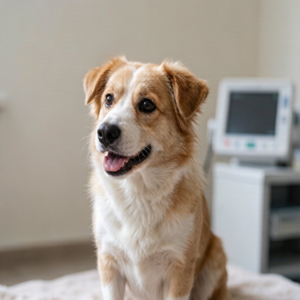
Why Dogs Drink Less in Cold Weather (and Why It Matters)
As temperatures drop, many dogs drink far less, but winter dehydration is no minor issue — it can concentrate urine, form mineral crystals, and lead to urinary tract infections, stones, or even blockages. Low water also slows digestion and causes constipation, strains the kidneys, and thickens the blood, burdening the heart. A healthy adult dog needs 40–60 ml of water per kg daily, and no less than 30 ml/kg in winter. To encourage drinking, offer warm water (28–40°C), add a splash of something tasty like broth, place bowls around the home, use a flowing fountain, and boost activity on sunny days so your dog drinks after exercise.
How cold-resistant are Springer Spaniel puppies?
Springers are medium double-coated dogs with fair cold resistance, but puppies have sparse coats and weak systems, so they resist cold less. Provide warmth; add clothes and reduce outings if shivering.

Dog Runny Nose: Is It a Cold?
Many owners assume a runny nose means their dog has a cold, but there are several other causes. A runny nose can signal a cold, rhinitis, irritation from strong smells, or even distemper. Learn the differences and how to respond.
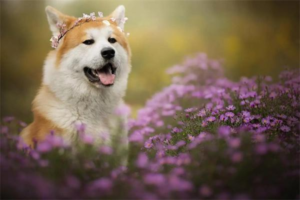
What to Watch for When Raising Dogs in Spring
Spring's high humidity and active parasites raise the risk of skin disease, colds, and stomach upset in dogs. Keep the coat dry, warm the dog after baths, add vitamins during the shedding season, and deworm monthly (pups) or every 2-3 months (adults).
How does a dog catch a cold?
Dogs usually catch colds after getting chilled, such as not drying off after a bath, getting rained on, or sleeping on cold floors. Low immunity and contact with sick dogs also increase the risk.

How to Tell If Your Dog Is Cold While Sleeping
A cold dog curls tightly, tucking its head and chest in to conserve heat, and may shiver in very low temperatures. Its breathing turns quick and shallow, its nose and belly feel cool, and it may wake often or refuse to stay in a cold spot. If you notice frequent waking or restlessness, your dog is likely cold and needs warmth.

Do Dogs Need to Wear Clothes?
Whether a dog needs clothes depends on the individual. Short-coated or sparse-coated dogs feel the cold and benefit from clothing in chilly weather, while thick-coated breeds like sled dogs don't. Clothes can also protect the skin of some dogs. Choose the right fit and watch for overheating.

When Can a Cat Freeze to Death from Cold Weather?
A cat with no shelter can freeze to death once temperatures drop below about 15°C (59°F), with kittens, sick, and underweight cats most at risk. In winter, feral cats also face starvation, dehydration, and fatal accidents under parked cars. Simple steps—clean water (with a little brown sugar to slow freezing), food, and a cardboard-box shelter—can save lives.

Is Heavy Panting After a Walk Normal for Dogs?
Panting after exercise is normal when a dog needs more oxygen and to dump heat — especially in heat or after hard, long activity, as long as it eats, drinks, and acts normally. But obesity makes panting worse, and panting with coughing, drooling, or breathing trouble can signal trachea, lung, or heart disease — see a vet. Walk lengths: small dogs 20-30 min, medium 30-40, large breeds over an hour, and pick flat, safe ground.

Are Teacup Dogs Easy to Care For?
Teacup dogs win fans with their tiny, cute looks and gentle nature, but they're fragile and low-immunity, so they need careful, attentive care. They're sensitive to temperature, so dress them warmly in cold weather, and keep up daily grooming—eye-stain cleaning and coat brushing—to stay clean. Feed a high-quality diet sized to them in controlled amounts to avoid obesity. Though small, their health needs are real: regular vet checks, vaccinations, and deworming are essential. With patience and the right know-how, they bring plenty of joy.