Search Results
92 results for “cold compress”
My three-month-old Alaskan puppy has a fever after two vaccine shots—thighs and ears feel hot but spirits are okay
Warm thighs and belly may be normal surface temperature or fever; a dog's surface feels warmer than a human's, normal 38-39.2°C, above 39.5°C means fever. Confirm with a thermometer, then cool with alcohol wipes on paws, armpits and groin or cool compresses; if no improvement see a vet for fever meds and testing. Never use human meds.

Rabbit Mastitis: Causes, Signs, and Treatment
Rabbit mastitis, common about a week after kindling, blocks kits from nursing and can kill the doe through tissue death or sepsis. It stems from dirty housing, cage splinters, oversupply from too much concentrate, or bitten teats. Prevent with managed feed and smooth clean cages; treat early with cold packs and ichthammol, later with hot packs and penicillin plus mequindox and dexamethasone, and surgery for abscesses. A sick doe can pass yellow-urine disease to kits, so treat both.

Long-Haired Curly Guinea Pig
The Long-Haired Curly Guinea Pig, also known as the long-curly-haired cavy, is a rare and distinctive guinea pig variety native to Peru and Brazil. With its unique curly long coat and gentle nature, it makes a beloved small pet, though its coat requires regular grooming to prevent matting.

Dog Frostbite: Symptoms and Treatment
Frostbite ranges from reddened, swollen skin (mild, resolves once warmed) to blisters and, in severe cases, tissue death. Move the dog indoors, warm the affected paws, ears, or tail in 18–38°C water, and see a vet for serious cases. Breeds like Huskies and Malamutes tolerate cold; Chihuahuas and Pugs need coats.

What to Do When a Turtle Refuses Pellets
A turtle may refuse food from pickiness, a new environment, low water temperature, or illness. Fast it a few days then offer variety, let it settle in, warm the water, or treat disease; choose quality pellets by recipe, brand, price, and look.
How to treat eczema in dogs?
For early eczema, wipe with iodine or erythromycin ointment and give sunlight. For blisters, clip fur, cold-compress with saline or boric acid, dry, apply alum solution, give dexamethasone and a chlorpromazine injection. For ulcerated eczema, clean, disinfect, keep dry, and use dexamethasone sodium phosphate injection.
Why does my dog breathe rapidly while sleeping?
Rapid breathing during sleep can come from obesity, a cold, or heart disease. Fat compresses the airway; a stuffy nose from a cold needs cold medicine; congenital heart disease also causes it. See a vet if unsure.

First Aid for a Dog in Shock
Shock shows as fast heart and breathing, weak pulse, pale skin, cold limbs, and lethargy. Keep the dog warm, check pulse and breathing, give rescue breaths if there is a pulse but no breath, and start CPR if there is no pulse. Quick first aid greatly improves the odds.

What Causes Shock in Dogs?
Dog shock takes several forms — hypovolemic, septic, cardiogenic, anaphylactic, neurogenic, and traumatic — and each needs a different emergency response. If your dog shows signs of shock, give the appropriate first aid based on the symptoms and get to a veterinary clinic as quickly as possible.
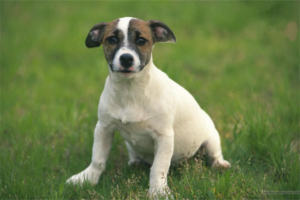
What to Do When Your Dog’s Hind Leg Cramps
A dog's hind-leg cramp can come from poor nutrition, overexercise, low temperature, or too little activity and sore muscles. When it happens, gently massage or apply a warm compress to ease the muscle, then rest the dog in a quiet, warm place. Balance the diet, exercise moderately, and keep the environment at a comfortable temperature to lower the chance of cramps.