Search Results
1701 results for “cold cat”

Symptoms and Treatment of Parasites in Dogs
Parasites are a leading threat to dog health and come in internal and external forms with different signs. Internal parasites cause diarrhea, vomiting, cough, bigger appetite, weight loss, dry coat, red skin spots, pale gums, and lethargy. Some parasites already live in the home, so even indoor dogs are at risk. Fleas, lice, roundworms, and tapeworms each have their own life cycle and route into the dog. External parasites are zoonotic and cause allergic dermatitis and anemia; internal ones cause poor digestion and can block the gut. Prevention and treatment rely on regular, broad-spectrum parasite control for both inside and out.

Why a Dog That Stops Moving in Winter May Have Arthritis
As the deep cold of winter sets in, some owners notice their dog no longer wants to go out or play, blaming the weather, but the real cause may be osteoarthritis. OA affects 30 to 50 percent of dogs and cats and is not only age-related; even young dogs can develop it, with breed, age, sex, weight, and genetics all playing a role. It is a whole-joint disease where cartilage breakdown outpaces repair. Signs include less activity, stiffness after rest, painful swollen joints, and irritability. Management combines weight control, sensible exercise, NSAIDs for pain, and therapy with joint supplements.

Can Pets Take Human Medicine?
When a pet falls ill, many owners reach for human medication, but giving pets human drugs is dangerous and has caused countless fatalities. There is a real difference between human, animal, and pet formulations. This article explains why human medicine can be fatal to pets, how dosages misfire, and the risk of drug resistance, and reminds owners to consult a vet instead.

Winter Dog-Care Tips
Winter care matters. (1) Keep exercise: don't lock the dog indoors for fear of cold—it loses freedom and can get depressed or weak and sick. On a sunny afternoon, leash it to the park for a walk and sunlight that kills coat bacteria. (2) Dress smart: cold-prone small breeds (Chihuahua, Teddy) can wear comfy clothes, but Huskies and Goldens generally should not. (3) Diet: skip 'winter tonics' and rich food—a cold gut handles them poorly and they just add burden. Keep the normal feeding plan.
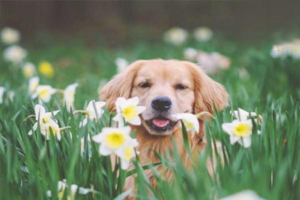
Preventing Autumn and Winter Dog Illnesses
Cold seasons bring risks. Keep warm—especially puppies and seniors—with a warmer bed, blanket, or heat lamp (watch electrical safety and distance); bathe at midday in sunlight, less often, warmer water. For weather-related colds (sneeze, runny nose, cough), use pet-specific cold medicine and warmth—never human drugs—and see a vet if it worsens. Keep walking for immunity; short-haired or weak dogs can wear coats and must be dried after rain. Diet may need more frequent small meals; keep probiotics ready for soft stool. Deworm year-round (fleas stay active), and expect the autumn coat shed (Sept–Oct).
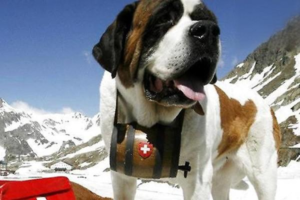
Does a Dog’s Name Affect Its Intelligence?
A name is just a sound the dog links to good things—usually 'walk' or 'food'—so the name itself never changes a dog's intelligence; only an easy, catchy sound is heard more clearly. Teach it by saying the name often during meals and play so the dog pairs it with fun, then reward eye contact when called in a quiet spot, raising the bar gradually. Never shout the name while scolding, or the dog learns the name means trouble.
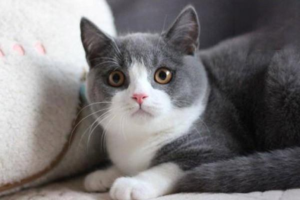
Dealing With Heavy Spring Shedding
In the shedding season cats are walking dandelions as they swap coats for the new climate. Fight it four ways: brush daily with a multi-tooth pin brush (gentle, so the cat learns to love it); bathe monthly with cat-specific shampoo and dry thoroughly; feed a balanced diet with skin-support nutrients like omega-3/6; and use a hairball gel (a gut lubricant, not a dissolver) instead of inducing vomit with cat grass, which can inflame the esophagus and trigger pancreatitis.

Why Does My Dog Urinate in the House?
When a normally clean adult dog urinates indoors while you are out, scolding and punishment aren't the only responses to consider—why is your adult dog doing this? Puppies peeing inside is just the cost of dog ownership, so we focus on adults. Occasional accidents are normal ('nature calls'), but frequent, repeated indoor urination deserves attention, because it brings urine odor and possibly other problems. Medical causes: urinary disease (often a UTI causing random urination, usually treatable with medication); incontinence (dribbling or peeing while sleeping points to incontinence, treatable early with medication; large-area urination suggests something worse—see a vet); senior dogs (canine cognitive dysfunction makes them forget where they are, causing accidents). If your dog is healthy and not old, the cause is behavioral: intact males may mark after sexual maturity—normal—but a dog that never peed inside suddenly doing so may be stressed by household changes (a new member, a departure, new smelly or noisy objects). To change it: don't yell—catching the act in the moment matters, not the old puddle; remove or relocate the trigger; and clean thoroughly with an enzymatic cleaner that fully removes the odor so the dog doesn't remark the spot.
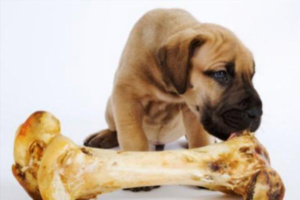
Preventing Autumn Diarrhea in Dogs
Dogs can get diarrhea in any season, usually from poor feeding habits or a habit of chewing whatever they find. Frequent bouts leave the gut fragile and hold back healthy growth, so prevention matters most when the weather turns. In autumn, sharp day-and-night temperature swings, a seasonal rise in infectious disease, and faster food spoilage all raise the risk. A warm sleeping spot, up-to-date vaccinations, and fresh, properly handled food are the three habits that keep a dog's stomach settled through the change of season.

Causes and Prevention of Enteritis in Pet Turtles
Enteritis is one of the most common illnesses in pet turtles, and it usually starts with two problems: poor feeding habits such as overfeeding or spoiled food, and infection by bacteria, viruses, fungi, or parasites. The good news is that with the right treatment—stopping diarrhea, then restoring gut function, then refeeding—most turtles recover. Even better, a few steady husbandry habits around water, tank cleaning, and feeding can prevent most cases before they begin. This guide covers both treatment and prevention.