Search Results
86 results for “coccidia”
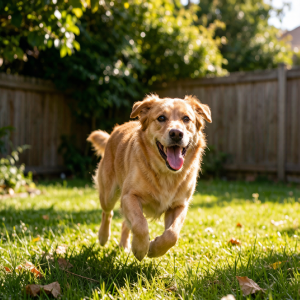
How to Prevent Parasites in Dogs
A parasite is an organism that lives in another organism, called the host. The dog is a host for parasites. Often, the parasite needs the dog's body to survive and can harm the dog.

What Is Coccidiosis in Cats and Dogs
Coccidia are single-celled gut parasites that hit young cats and dogs hard and can spread to people as chronic diarrhea. A fecal check confirms infection, and sulfonamide or amprolium treatment needs follow-up tests to prevent relapse.

Cat Vomiting: Causes and How to Tell What’s Wrong
Cat vomiting has dozens of causes—from eating too fast and hairballs to infections, toxins like lilies, and organ disease. Telling active vomiting from passive regurgitation, then reading the vomit, frequency, and your cat's energy, narrows the cause before a vet visit.
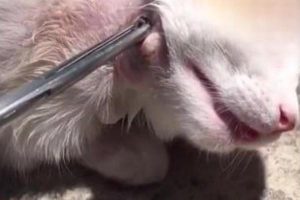
Parasites on Stray Cats: What to Do
Strays, with weaker immunity, often carry both internal parasites (roundworms, coccidia, hookworms, toxoplasma) and external ones (fleas). Signs include diarrhea and fever; treat with combing, a flea shampoo, and broad-spectrum dewormers, then keep the coat dry and watch for post-treatment upset.

Dog Has Diarrhea, Won’t Eat, and Is Lethargic
Diarrhea with no appetite and low energy usually traces to a chill, diet, or parasites — and bloody stool or collapse can mean parvo or distemper. Keep the gut calm with probiotics and a balanced diet; persistent or bloody cases need a vet fast.

Why Is Your Dog Pooping Blood?
Blood in a dog's stool is a red flag that needs a clear diagnosis before treatment. The leading causes are parvovirus in unvaccinated puppies, intestinal parasites, swallowed foreign objects, and diet shocks such as sudden food changes or rich, spoiled food. See a vet quickly to find the cause rather than guessing.
- « Previous
- 1
- …
- 7
- 8
- 9