Search Results
2733 results for “coat color”

Why Does Your Dog Have Red Bumps on Its Skin?
Red bumps on a dog are usually a sign of skin disease caused by fungal or bacterial infection, eczema, or parasite bites. Treat mild cases with an anti-itch ointment plus isolation and cleaning; for parasite-related bumps, apply external deworming and prevent spread to people and other pets.

White Film Over an Arowana’s Eye
A white film over an arowana's eye calls for quick water changes. The 'old three' method fixes mild cases; bacterial film needs fish-specific antibiotics.

How to Reduce Your Guinea Pig’s Odor
Guinea pigs cannot be bathed often, yet odor builds up if they are not cleaned. Cut smell by feeding low-protein pellets, litter-training in a corner toilet, cleaning the cage daily with absorbent bedding, using pet deodorizers or gut supplements, and giving an occasional warm-water bath.
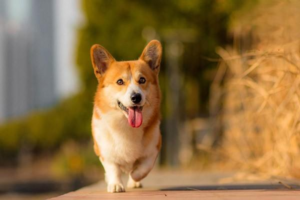
Key Things to Watch in Summer Dog Care
In summer keep food fresh (toss leftovers, always have clean water), bathe and trim weekly but not too short, avoid direct AC drafts, deworm and mosquito-proof, and walk at dawn or dusk to prevent heatstroke.
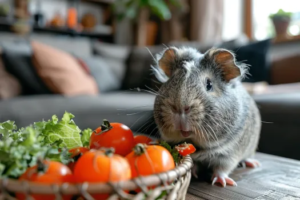
Guinea Pig Biological Traits and Characteristics
Guinea pigs are social, gentle prey animals that need dry, warm, clean housing and a high-fiber vegetarian diet. They are sensitive to smell, sound, and temperature; prone to pneumonia in poor air; and unusually sensitive to antibiotics such as penicillin. Their long pregnancy ends in fully developed pups that walk within an hour.

Why Is Your Dog’s Nose Turning from Black to Pink?
A dog's nose usually turns pink from aging or temperature, but it can also signal disease. Causes range from genetics and vitiligo to dermatitis or abrasion. Improve it with vitamins, safe sun exposure, and seaweed powder—and see a vet if white patches or sores appear.
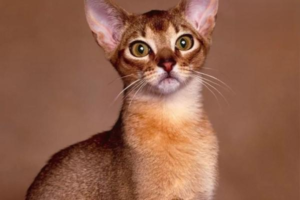
Benefits of Lecithin for Cats
Lecithin (egg-yolk phosphatide) feeds coat health, fighting dryness and shedding, and also lowers cholesterol, clears free radicals, and slows aging - safe even for senior cats. Mix the powder into favorite food and be patient; results need weeks.

Why Is My Rabbit Passing Blood in Its Stool?
Blood in a rabbit's stool is alarming and should never be ignored. Causes include constipation from dry food and low water intake, parasite overload, enteritis (which can rupture local capillaries), and rectal tumors or polyps. Treatment matches the cause—diet and hydration for constipation, deworming for parasites, antibiotics for enteritis, and prompt surgery consult for growths.
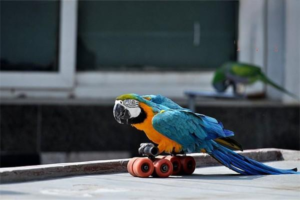
Why Does a Parrot Get Scabs on Its Face and What to Do
Scabby patches on a parrot's face usually mean a scaly-mite (Knemidokoptes) infection, which can be life-threatening if severe. Treat by applying white petroleum jelly to suffocate the mites, soften thick crusts first, and support recovery with vitamins and a clean, dry environment.

Common Arowana Skin Diseases and Their Prevention
Common arowana skin diseases include scale melting, slime-coat shedding, and fin/tail rot—most stemming from poor water quality. Improve water and add aquarium vitamins for scale melting; use Japanese yellow powder for slime-coat loss; and rely on the 'old three' (heat, salt, water change) or medication for fin/tail rot.