Search Results
2733 results for “coat color”
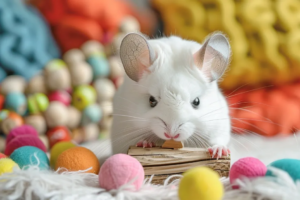
How to Care for a Dwarf Hamster
Hamsters are cute and popular, but newcomers have much to learn. This guide covers the basic gear, how to pick a healthy hamster, and feeding—staple mix, fresh supplements, schedule, and clean water.

How to Care for Rabbits in Winter: Tips for Pet Owners
Rabbits are not easy pets, and careless winter care makes them sick. This guide covers warmth, extra feeding, cage hygiene, exercise, winter breeding, and careful grooming so your rabbit stays healthy through the cold months.

When Is a Border Collie’s Shedding Season, and How Long Does It Last?
Border Collies shed twice a year—spring (March–May) and autumn (September–November)—with timing tied to local climate. This guide covers the growth and seasonal sheds and the care points: nutrition, brushing, hygiene, and diet.

Caring for Your Dog Through the Four Seasons
A dog's body adapts to each season, so owners should adjust care through the year. This guide covers spring shedding and checkups, summer cooling and parasite control, autumn exercise and coat care, and winter warmth and diet.

Why Does Your Dog Have a Strong Body Odor?
A strong 'dog smell' comes from health issues—ears, mouth, anus, digestion—or excess skin oil. This guide traces the smell to ear mites, dental or gut disease, and anal glands, and shows how routine grooming prevents it.

Step-by-Step Dog Bathing Guide
Bathing a dog is a big, challenging job. This guide walks through the full process—pre-bath prep, wetting, shampooing, head and paw care, rinsing, drying, and daily eye cleaning—so owners can do it smoothly.

Is More Meat Always Better for Dogs?
Dogs are meat-based omnivores and meat supports muscle, immunity, coat and skin health—but too much causes calcium imbalance, heat, pickiness, bad breath and obesity. A balanced diet of meat plus vegetables is best.

Is It Normal for a Chinchilla to Shed?
Shedding during a chinchilla's molting season is normal, but abnormal hair loss also happens and owners should tell the causes apart. Common triggers include stress, parasites, molting, the wrong diet (roasted vs raw seeds), and fur-chewing (trichophagia).

Why Is My Chinchilla Shedding, and How Do I Fix It?
Chinchillas molt about every 3 months, which is normal, but shedding can also stem from fright, the wrong food (salty or roasted seeds), or fur-chewing disease. Matching the cause to the right fix helps restore a healthy coat.

What Causes a Chinchilla to Shed?
Chinchilla shedding is common and can be normal or abnormal. The main causes are natural molting, diet (raw vs roasted seeds), fright, fur-chewing, and parasites — with fixes ranging from diet swaps to topical treatment.