Search Results
15 results for “clumping”

Cat Litters to Avoid
Avoid plant litters with formaldehyde-tainted binders, heavily scented litters that overwhelm a cat's sensitive nose, and crystal litter that cannot clump and can hurt paws or block the gut if eaten. Pick low-dust, natural, clumping litter your cat will actually use.

Is Cat Hairball Vomiting Good or Bad?
An occasional hairball is not a 'good' thing — it's just the body clearing built-up fur. If vomiting is rare (once every 1–2 months), the cat stays lively with normal eating and the vomit is only fur and a little mucus, there's little to worry about. But frequent vomiting, or signs like lethargy, poor appetite, diarrhea, or weight loss, often point to a gut problem and warrant a vet visit.
How to Choose a Combined Parasite Treatment for Your Cat
Even indoor cats catch parasites—fleas, ear mites, roundworms, and mosquito-borne heartworm all reach them. Combined spot-ons treat inside and out in one dose without pills, which is why they are the top choice for house cats. The real question isn't 'which brand' but 'which active ingredients fit your cat's risks.' Here is the science, minus the marketing.
Supplies to Prepare for a New Cat
Bringing a cat home means getting its eat, drink, and litter needs sorted first. Kittens may need goat's-milk or lactose-free formula, a bottle, and a needle-free syringe for feeding. Every cat needs two bowls (water and food) and a natural-quality kibble — cheap food leaves cats hungry and unwell. Plan one litter box per cat with low-dust clumping litter. Then add grooming and health items: hairball paste or cat grass, a brush, nail clippers, basic supplements, dewormer, eye drops, and a toothbrush. Toys, a scratch post, a warm bed, and a cat tree round it out.
Choosing the Right Cat Litter
Cat litters split into non-biodegradable (inorganic) and biodegradable (organic). Inorganic: fuller's earth (clay, non-clumping, but flushable), bentonite (clumps well but dusty and heavy, fragrance-added), silica/crystal (absorbent, low clumping; some have cobalt chloride or pH indicators—avoid long-term cobalt use), ceramic and zeolite (reusable, need a double box). Organic: plant litters (pine, paper) and grain litters (tofu, corn, wheat)—light, flushable, clumping, but watch mold/mycotoxin risk and don't believe 'edible' claims. Pick by your cat's needs and a flushable, low-dust preference.

What to Do If Your Dog or Cat Has Tapeworms
Many species of tapeworms parasitize dogs and cats, and the adult worms seriously harm their health, while the larval stages often use livestock or humans as intermediate hosts, threatening both animals and people. Common species include Dipylidium caninum, Taenia spp., Echinococcus granulosus, Mesocestoides, Spirometra mansoni, and Diphyllobothrium. Infection causes intestinal inflammation, malnutrition, and in severe cases intestinal blockage, with signs like vomiting, diarrhea, weight loss, and odd behavior. Diagnosis relies on clinical signs plus fecal egg exams. Prevention means regular deworming, not feeding raw offal, and controlling fleas. Treatment uses praziquantel (5 mg/kg dogs, 2 mg/kg cats), arecoline hydrobromide, bunamidine, or fenbendazole under veterinary guidance. Because some tapeworms (like Echinococcus) also endanger human health, prompt and correct control matters.
How to Choose a Litter Box
Every cat needs a litter box, and picking the right one keeps your cat using it happily. The basic choice is single-layer (best for clumping litters like clay, tofu, or paper) versus double-layer (for crystal or disintegrating wood litter with a drawer below). Covered boxes add privacy but trap moisture and bacteria, while open ones vent better. Specialty styles include toilet-style trainers, top-entry 'snail' boxes (which can trap kittens or seniors), and self-cleaning planet-shaped units great for multi-cat homes but risky if a cat enters mid-cycle. Whatever you choose, scoop daily and wash weekly — but keep a little old litter so the scent stays familiar.
Tips for Choosing the Right Cat Litter
Cat litter is essential from the day a kitten learns to use the box until the end of its life. The market offers bentonite, plant-based (tofu), crystal (silica), and recycled-paper litters, with bentonite, plant, and crystal being the most common. Beyond type, what matters for your cat's health is avoiding chemical binders and artificial fragrances and using the litter correctly — a 5 to 7 cm depth, daily scooping, and a full change every week or two.
How to Choose the Right Cat Litter
The wrong litter can contribute to urinary problems in cats, so choosing well matters. This guide compares the main types of cat litter—plant-based (tofu, corn), paper, bentonite clay, crystal (silica), and pine or wheat—and lays out the pros and cons of each. Understanding clumping ability, dust, flushability, odor control, and cost helps you pick a litter your cat will actually use and that supports its urinary and respiratory health.
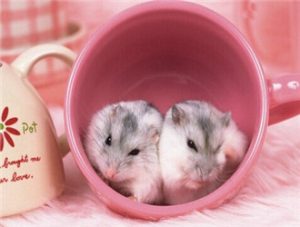
Syrian Hamster
The Syrian hamster (Mesocricetus auratus), also called the golden hamster or 'pearl bear', is a hamster from Asia and the first species kept as a pet. Docile and easy to breed, it lives 2 to 3 years with good care and comes in over 40 color varieties.