Search Results
36 results for “clotting”

Epistaxis (Nosebleed) in Dogs and Cats: Symptoms, Treatment, and Prevention
Epistaxis is bleeding from the nasal or sinus mucosa that streams from the nostrils. Causes range from trauma and foreign bodies to clotting disorders and rodenticide poisoning, and treatment focuses on calming the animal and stopping the bleed.

Splenic Rupture in Dogs and Cats
Splenic rupture is tearing of the spleen from trauma or disease that causes internal bleeding into the abdomen. Signs include severe abdominal pain, pale gums, a rapid weak pulse, and a swollen belly; it is an emergency treated with fluids, blood transfusion, and splenectomy.

Hepatic Cirrhosis in Dogs and Cats
Hepatic cirrhosis is scarring of the liver from long-standing injury, leading to loss of function, a bleeding tendency, and nervous signs in advanced cases. Treatment removes the cause where possible, supports the liver, and provides a high-protein, high-carbohydrate diet.

Hemorrhagic Gastroenteritis Syndrome in Dogs and Cats
Hemorrhagic gastroenteritis syndrome is a sudden, cause-unknown condition in dogs marked by acute vomiting and severe bloody, jelly-like diarrhea. Affected animals become depressed, feverish, and dehydrated; prompt fluid therapy and supportive care are essential.

Gastric Hemorrhage (Stomach Bleeding) in Dogs and Cats: Symptoms, Treatment, and Prevention
Gastric hemorrhage is bleeding from the stomach lining in dogs and cats, causing vomiting of blood, black tarry stool, and anemia. It is an emergency treated with volume replacement, bleeding control, and veterinary-directed care.

Leptospirosis in Dogs and Cats: Symptoms, Treatment, and Prevention
Leptospirosis is an acute, systemic bacterial infection caused by pathogenic Leptospira. It is a zoonotic disease (transmissible to people) with rats and pigs as major reservoirs. It is characterized by short-term fever, jaundice, hemoglobinuria, abortion in breeding females, and a bleeding tendency.

Benefits of Spaying and Neutering Your Cat
What are the pros and cons of neutering a cat? Can cats be neutered? It has become a headache for owners because neutering has many benefits, including lower tumor rates and no pyometra, but the drawbacks cannot be ignored. Let us look together.

What to Do for Anemia in Cats
Anemia refers to a low red blood cell count. It can be caused by many different blood problems, including blood loss, damaged red blood cells, and insufficient red blood cell production.

What to Do If Your Dog Eats Rat Poison
Depending on the amount, type, and timing of rodenticide ingestion, some pets can be treated on an outpatient basis while others require hospitalization. Treatment for rodenticide poisoning may include one or more of the following approaches:
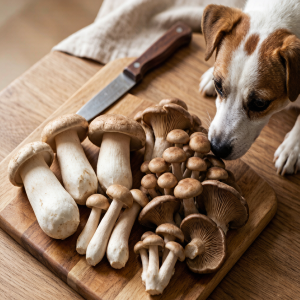
Can Dogs Eat Mushrooms?
This is a topic that demands attention: ordinary store-bought mushrooms are fine for your dog, but wild mushrooms carry a risk of toxicity to both people and dogs. Be especially careful not to let your dog eat wild mushrooms. This article covers safe preparation and the dangers of wild mushrooms.
- « Previous
- 1
- 2
- 3
- 4
- Next »