Search Results
74 results for “cleaning steps”

Why Does My Cat Always Lie Down? Understanding Feline Arthritis
If your cat spends most of its time lying down, walks with a limp, or refuses to be touched on the hind legs, it may be suffering from arthritis—a condition that affects up to 90% of cats as they age. Arthritis is the inflammation and degeneration of joint cartilage, most often secondary (degenerative) arthritis, which worsens as cats grow older. Cats are masters at hiding pain, so signs like reluctance to jump, reduced grooming, increased sleeping, and irritability can easily go unnoticed. Causes include aging, genetics, obesity, injury, and acromegaly. Treatment combines veterinarian-supervised medication (NSAIDs such as meloxicam), weight management with omega-3 and glucosamine supplements, and environmental adjustments like steps and soft bedding. Prevention starts with a healthy diet and keeping your cat lean.

Why Your Cat Stopped Using the Litter Box
When a cat that was neatly using a litter box suddenly starts peeing on the bed or sofa, something is wrong — cats want a clean bathroom as much as we do. The usual causes are a dirty or too-small box, a hooded box they haven't adjusted to, too little litter, poor placement, strong smells from perfume or cleaners, stress, or a medical issue they can't control. Fix it by ruling out each cause, cleaning accidents thoroughly (cats smell far better than we do), staying calm instead of scolding, and gently guiding a newcomer to the box.

How to Bathe a Rabbit Safely
Rabbits are timid and easily stressed, and a bath can lead to chilling and illness, so avoid frequent washing. For light dirt, spot-clean with a warm damp towel or use dry shampoo powder. Bathe only when truly dirty, using rabbit-specific products and drying the coat fully afterward. Never bathe a rabbit under six months or one that is sick or has diarrhea, and keep the ears dry to prevent infection.

What to Do With Your Dog During the Holidays: Three Boarding Options
When you can't take your dog home for the holidays, you have three main options: home-style boarding, in-home feeding visits, or a professional facility. Sensitive or easily stressed dogs usually do best with someone coming to your home, while outgoing dogs may tolerate a kennel. Whatever you choose, your dog's safety and basic needs come first—prefer people you know and inspect any facility in advance.
How can I get rid of severe tear stains on my Pomeranian?
Tear stains are managed by trimming the eye-area fur so lashes don't irritate the eye, wiping discharge daily with a damp cloth, cleaning the ears, and avoiding greasy food. Dedicated canine tear-stain cleaners help stubborn stains, but see a vet if they persist.
My turtle’s intestine is protruding and there’s a lot of bleeding — what should I do?
Take the turtle to an exotic-pet hospital for a reduction and fixation procedure: clean the intestine with saline or an antiseptic solution and gently return it. For repeated prolapse, purse-string suturing is usually needed; after surgery keep the turtle dry (out of water) to heal.

Common Feline Oral Diseases and Care
The mouth is vital for cats - for food, water, and defense. Oral disease makes survival hard.

How to Clean Your Dog’s Ears
Cleaning a dog's ears is harder than it looks—long canals mean a wrong move can rupture the eardrum. Wrap a small dog in a towel, wipe the flap and visible cartilage with a damp cotton ball or swab, never push into the canal, and reward after. For severe infections, let your vet do it.
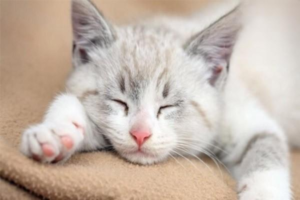
How to Manage Tear Stains in Cats
Tear staining is the reddish-brown discoloration under a cat's eyes, caused by excess tears, bacteria, or yeast. Flat-faced breeds are most prone. Daily cleaning, the right diet, and a vet check for underlying disease are the most effective steps.

How to Treat Mite Skin Disease in Dogs
Mite skin disease keeps coming back because the mites live in the environment as much as on the dog. Treatment means medicating the affected spots, deep-cleaning the home, and boosting the dog's immunity—prevention through diet, parasite control, and limited contact with strays is what stops recurrence.