Search Results
855 results for “clean cat ears”

Daily Cat Care Essentials
Routine cat care keeps small problems from becoming big ones: brush to prevent hairballs, clean the eyes and ears, trim the nails, and care for the teeth. Watch for parasites, ringworm, or wounds while you groom, and avoid fighting the cat's instincts.

How to Get Rid of Cat Tear Stains
Tear stains spring from diet, eye irritation, herpesvirus, or flat-faced breed anatomy, and the fix starts with better food, filtered water, and non-plastic bowls plus daily warm wiping. For non-infected stains, a dab of medical petrolatum lets tears evaporate before they mark the fur; for infected or inflamed eyes, use a pet antiseptic eye drop first, then the petrolatum.

How to Give Your Cat a Home Health Check
A hands-on check covers body condition and spirit, then vitals (temperature, pulse, hydration) and a look at the eyes, nose, mouth, ears, skin, chin, anus, and genitals. Red flags such as gum redness, ear-mite crust, tapeworm segments, or a dirty chin mean a vet visit.

Cat Chin Acne (Feline Folliculitis): Symptoms and Treatment
The "black chin" is feline folliculitis — overactive sebaceous glands clogging the pores, essentially the same as human acne. Most cases are mild and clear up with saline wipes, a diet lower in oil, and swapping plastic bowls for ceramic or stainless steel; neutering also helps by steadying hormone levels.

Why Is Your Cat Having Diarrhea and How to Treat It
Before reaching for medicine, rule out simple causes — a dirty water bowl, spoiled food, a chilly room (keep it near 26°C), a too-fast food switch, a grain allergy, or stress. If diarrhea persists despite a cat probiotic, suspect parasites and deworm; if it worsens within a day or two with vomiting, it could be something serious like panleukopenia and needs a vet immediately.
Daily Cat Care Basics
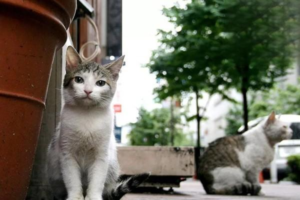
Daily cat care goes beyond the familiar bath and brush. Cover the ears (a monthly wipe with oil or ear drops), teeth (tartar builds from soft food, so plan a yearly professional scale), nails (front every 1–2 weeks, back every 3–4), eyes and nose (flat-faced breeds are prone to tear staining and blocked nostrils), and the tail and chin, where glands and 'black chin' tend to build up.

Why Cats Get Tear Stains and How to Treat Them
Tear stains come from a salty or greasy diet, a blocked tear duct, or an infection like feline herpes. The fix follows the cause — blander food, a duct-opening procedure, or targeted antiviral care with warmth — and routine eye cleaning keeps them away.

How to Treat Feline Rhinotracheitis (Cat ‘Snuffles’)
Feline rhinotracheitis is essentially a cat upper-respiratory infection: it starts with watery eye and nose discharge and, if the virus spreads, progresses to thick pus, swollen eyes, poor appetite, and labored breathing, sometimes ending in pneumonia. Treatment works best in stages — supportive care early, nebulization and antivirals mid-way, and antibiotics only if it worsens.

Common Hereditary Diseases in Purebred Cats
Selective breeding has given us stunning purebred cats but also concentrated many hereditary diseases—from polycystic kidney disease and hypertrophic cardiomyopathy to the cartilage disorder behind folded ears. Knowing which conditions each breed is prone to helps owners catch problems early.

What to Do When a Cat Has Ringworm
Ringworm is a fungal skin infection that rarely clears on its own and needs about a month of treatment plus isolation to stop it spreading to other pets and people. Clip and disinfect the patches, apply spray and ointment, boost nutrition and vitamin B, and use sunlight to help kill the fungus.