Search Results
16 results for “claw shedding”
Common Mistakes New Cat Owners Make
Today we share some common mistakes new cat owners make. Be sure not to fall into these traps.
Why Is My Turtle’s Shell Soft, and How to Treat It?
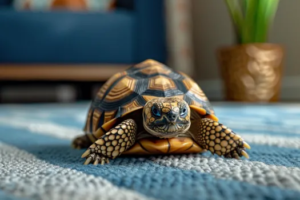
A soft shell is usually normal shedding or, more seriously, calcium deficiency (metabolic bone disease). Improve diet with calcium-rich foods and ensure daily sun or UVB to aid absorption.

Seasonal Cat Care: Managing Your Cat Through the Year
A cat's care needs change with the seasons. Spring brings heat and shedding, summer risks heatstroke, autumn is breeding and molting season, and winter calls for sunlight and warmth. This guide covers the key management points for each season.

Briard
The Briard, also called the Brie Shepherd Dog, takes its name from the Brie region of France, famous for its cheese. An ancient French working breed, it is energetic and alert, strong but not coarse, with the power and agility of a sheepdog.

Miniature Pinscher
The Miniature Pinscher is a small, deer-like toy terrier from Germany, alert, intelligent, and loyal with a bold spirit. Despite its name and looks, it is not related to the Doberman; it is an excellent, lively family dog.

French Bulldog
The French Bulldog is a small-to-medium, muscular, and compact companion dog from France with a lively, curious personality. Affectionate and quiet, it is well suited to apartment living and family life.

Turkish Angora
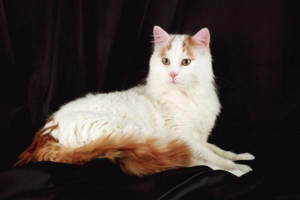
The Turkish Angora, named for Turkey's capital Ankara, is one of the oldest long-haired breeds, dating to the 16th century. Elegant with silky, medium-length coat and almond eyes, it is agile, independent, and famously fond of water. Once nearly supplanted by the Persian, it was revived in the US from 1963 and is now carefully bred to preserve its pure bloodline.
Caring for a Brazilian Turtle (Red-Eared Slider)
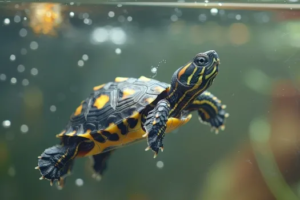
The Brazilian turtle (red-eared slider) is hardy but needs the right setup to stay healthy and live long. Choose a turtle at least six months old, house it in a covered tank with water at about 25°C, always feed it in the water, and manage a proper hibernation and breeding routine.

Cat Hates Water and Won’t Bathe? A 3-Step Desensitization Plan
Cats aren't really afraid of water — they're afraid of the loss of control when forced into a strange situation and soaked. Bad past experiences make it worse. Desensitize gradually: let them explore the bathroom, get used to water sounds and tools, then simulate the bath, and keep indoor cats to a bath only every 3–6 months.

100 Essential Tips Every New Cat Owner Should Know
Bringing home a first kitten is exciting but daunting, and poor care can hurt both of you. These 100 essentials cover diet (life-stage food, toxic grapes/chocolate/onion/garlic, no bones or raw meat, fresh water), daily care (brushing, nail and ear cleaning, litter hygiene, n+1 boxes), health (vaccines at 8–12 weeks, deworming, normal temperature 38–39.2°C, spay/neuter, no human meds), behavior (slow blinks, tail talk, no punishment), and home safety (screens, hiding wires, toxic plants, no smoke). Read them once and you'll share a calmer, healthier life with your cat.