Search Results
332 results for “circulation”
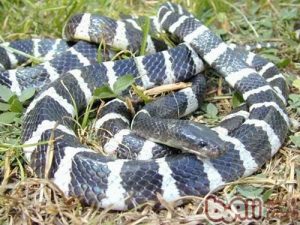
Beaked Sea Snake
The Beaked Sea Snake is one of the world's most venomous snakes, living in tropical coastal waters of Australia and parts of Asia. Reaching 1.5–2 m with a cylindrical body and dark gray back banded in black, its neurotoxic venom can kill within minutes—yet it is valued in traditional medicine.

Takydromus wolteri
The mountain grass lizard (Takydromus wolteri) is a grass lizard very widely distributed across northern China. A small, slender, burrowing lizard, it is kept by both researchers and hobbyists and does well on a sand substrate with 12-14 hours of daylight.

Canine and Feline Metastatic Lung Tumor
Metastatic lung tumors are cancers that have spread to the lungs from a primary tumor elsewhere, such as mammary, bone, or oral melanoma. Signs resemble primary lung disease but cough is less common, and the outlook is generally poor.

Sepsis in Dogs and Cats
Sepsis is a whole-body infection that arises when bacteria and their toxins spread from a local source such as a wound, burn, or urinary infection. It causes high fever, collapse, and organ damage, and is life-threatening without prompt care.

Shock in Dogs and Cats
Shock is acute circulatory failure that leaves vital organs starved of oxygen. It can follow severe disease, trauma, or poisoning, and shows as pale gums, weakness, cold extremities, and collapse. Treating the underlying cause is the foundation of recovery.

Frostbite in Dogs and Cats
Frostbite is tissue injury from prolonged cold, most often on the tail, ears, paws, and penis. It causes redness, then bluish swelling, and in severe cases skin or even bone death. Rewarming and preventing infection are the main goals.

Toad Poisoning in Dogs and Cats
Toad poisoning occurs when dogs or cats bite toads or lick toad eggs, skin secretions, or venom on wounds. Signs include heavy drooling, vomiting, irregular heartbeat, and seizures. Immediate flushing of the mouth and urgent veterinary treatment are critical.

Chlorpromazine Poisoning in Dogs and Cats
Chlorpromazine, a phenothiazine sedative, depresses the brain when overdosed, causing low temperature, agitation, coma and skin reactions. Stopping the drug and supportive care with a respiratory stimulant are the main steps.

Lead Poisoning in Dogs and Cats
Lead is a heavy metal that most often poisons young pets after they chew paint, batteries or contaminated water. It causes nervous signs such as seizures, aggression and incoordination, plus anaemia and urinary irritation.

Tibial and Fibular Nerve Paralysis in Dogs and Cats
Tibial and fibular nerve paralysis impair normal hind-limb movement, causing an abnormal high-step or a knuckled, dragging paw, and eventually muscle wasting. Acupuncture and nutritional support aid recovery.