Search Results
88 results for “cichlids”
How to Care for Blood Parrot Cichlids
Blood parrot cichlids are easy for beginners, but stable, dechlorinated water and measured feeding make the difference. Keep temperature at 25–29°C, feed only what they finish in five minutes, and add astaxanthin for that signature red.
Treating Pinecone Disease (Dropsy) in Blood Parrot Cichlids
Pinecone disease, or dropsy, is a highly contagious bacterial illness in blood parrot cichlids with under a 50% cure rate and often fatal within days. Isolate the sick fish at once and treat with salt-and-baking-soda or antibiotic baths, adding medicated food for severe cases, while keeping water clean and temperature stable to prevent it.
Symptoms and Treatment of Hole-in-the-Head Disease in Blood Parrot Cichlids
Hole-in-the-head disease (head and lateral line erosion) is a common, highly contagious condition in blood parrot cichlids, usually triggered by nutritional deficiencies or poor water quality. Because it spreads easily to healthy tankmates, isolating the affected fish and starting treatment promptly makes the difference between a quick recovery and a worsening infection.
What to Do When Blood Parrot Cichlids Fight and Lose Scales, Exposing Flesh
When blood parrot cichlids fight, they tear off scales and can expose raw flesh, which invites infection. Isolate the injured fish and treat it with a 2–3% salt bath plus antibacterial or 'yellow powder' medication, keep the water at 28–30°C, and change it every three days. To stop the fighting, give more space, feed more, or separate the bullies.
What Fish Can Be Kept with Parrot Cichlids?
Parrot cichlids can mix with oscars, arowanas, blue sharks, flying fox, dinosaur bichirs, and red-tailed sharks; their aggression means small fish should be avoided to prevent bullying. Control density to avoid growth issues or territory fights.
What fish can be kept with sapphire cichlids?
Good tankmates are bottom-dwellers like angelfish and small catfish, which create a natural setup. Provide enough food to prevent fights, and small-to-medium fish like angelfish also work well.
When do flowerhorn cichlids breed?
Male flowerhorns mature for breeding at about 4 months, females at about 8 months, so choose breeders 8 months or older; pick large, sturdy, healthy fish to raise survival and quality of offspring.

What Is the Best Water Temperature for Keeping Blood Parrot Cichlids?
The blood parrot cichlid, with its chubby body, soft fins, and bright red color, is loved by fish keepers. What is the best water temperature for keeping them? Today our team explains the temperature and care methods.
What Causes Swim Bladder Disorder in Blood Parrot Cichlids and How to Treat It?
Swim bladder disorder is common in blood parrot cichlids; signs include lying on the side or upside down, floating or sinking. What causes it and how to treat it? Learn with our team.
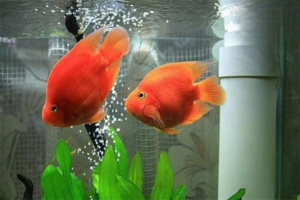
How to Treat Fin Rot in Blood Parrot Cichlids?
Keepers know blood parrot cichlids demand high water quality, and poor water is the top cause of disease, including fin rot. How to treat it? Our team explains causes and treatment.