Search Results
292 results for “chronic vomiting”
My dog started coughing last night, then retching, then vomiting clear sticky fluid with white foam; stool not loose but a bit black; gave anti-inflammatory, anti-emetic, and probiotics; still coughing and vomiting about every ten minutes, sometimes productive, sometimes not
Coughing up white foam is usually phlegm from a respiratory infection caused by chills, bronchitis, tracheitis, pneumonia, or chronic bronchopneumonia; retching may be throat discomfort or gut infection. Have the vet diagnose the cause; if not, try doxycycline for cough, plus pet anti-inflammatory, and keep warm. If weak, poor appetite, lethargic, or feverish, check the lungs and rule out contagious disease.
How long does it take for a cat’s acute kidney failure to turn chronic?
The timeline is uncertain and depends on severity and constitution. Once acute becomes chronic it causes irreversible damage and lifelong prescription diet. Seek a vet at once; symptoms worsen within hours to days.

Why Is My Cat Dry-Heaving but Not Vomiting?
Dry heaving can come from hairballs, a throat or gut blockage, stomach illness, liver disease, food allergy, or parasites. An occasional gag may be minor, but frequent or lasting heaves need a vet; give hairball paste if fur is in the vomit.
Dog Bloody Stool and Vomiting: Causes and Solutions
Dog vomiting with blood in the stool can stem from simple overeating, gastroenteritis, serious viral disease (distemper or parvovirus), or parasites. Overeating and rough play after meals cause acute vomiting; gastroenteritis brings recurring diarrhea and sometimes blood; parvovirus shows lethargy, foul diarrhea, and respiratory signs; long gaps since deworming point to parasites. See a vet for diagnosis, fast the dog, and use probiotics to support recovery.
Different Types of Vomiting in Dogs
Dog vomiting falls into three patterns. Single vomiting happens once and resolves, often from overeating or exercise right after eating, though stress-induced cases need monitoring. Persistent vomiting repeats frequently with bile, intestinal contents, or blood—pointing to acute gastroenteritis or blockage. Long-term intermittent vomiting recurs cyclically and suggests chronic gut issues, irritable bowel, or metabolic disease.
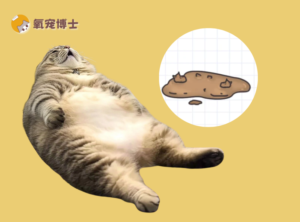
Cat Has Chronic Diarrhea? It’s More Than a Sensitive Stomach
Long-term diarrhea in cats is rarely just a 'delicate stomach' you can fix by swapping food or adding probiotics. Diet and food allergy are common, but so are parasites (some needing specific drugs), inflammatory bowel disease, and metabolic diseases like pancreatitis, hyperthyroidism, or kidney disease. Stress is a third driver. Work through the causes step by step and let a vet run the right tests.

Chronic Pancreatitis in Dogs and Cats
Chronic pancreatitis is a repeated or persistent pancreatic inflammation marked by recurring abdominal pain, fatty stools, and eventually high blood sugar or diabetes. Management uses a low-fat diet, pain control, and correction of enzyme or sugar imbalances.

Chronic Hepatitis in Dogs and Cats
Chronic hepatitis is a long-term inflammation of the liver, often developing from repeated or unresolved acute injury. It causes persistent digestive upset, weight loss, and sometimes mild jaundice; management protects the liver, improves bile flow, and supports nutrition.

Chronic Enteritis in Dogs and Cats
Chronic enteritis is a long-standing inflammation of the intestinal lining that leads to persistent diarrhea, poor nutrient absorption, and weight loss in dogs and cats. Causes range from infections and parasites to food allergies and immune-mediated disease; management combines dietary change with ongoing medical support.

Chronic Gastritis in Dogs and Cats: Symptoms, Treatment, and Prevention
Chronic gastritis is long-term inflammation of the stomach lining in dogs and cats, causing intermittent vomiting, poor digestion, and weight loss, especially in older pets. It is managed with diet, protective medications, and veterinary-directed treatment.