Search Results
98 results for “choose litter box”
What to Know Before Keeping a Ragdoll Cat
Ragdolls are famous 'glass-stomach' cats that need careful diet and regular brushing, plus watch for inherited heart and kidney disease. Pick a high-protein, low-allergen food, brush three to five times a week, and keep up with vet checks to catch problems early.
6 Mistakes to Avoid When a Kitten First Comes Home
Six common new-kitten mistakes: switching food at once, bathing too soon, overwhelming it with handling, self-medicating, misplacing the litter box, and skipping socialization. Give the kitten time and a calm space to adjust, and it will thrive.
How to Tell If Your Cat Is Happy at Home
A relaxed, content cat shows it in small ways: sleeping in odd poses, following you around, holding its tail high, the occasional mad dash, and kneading with its paws. Reading these signals helps you know your cat truly feels safe.

How to Improve Your Cat’s Happiness
A cat's happiness rests on four pillars: balanced nutrition, a safe and stimulating home, regular interaction, and consistent preventative healthcare. Feeding scheduled meals, providing hiding spots and toys, playing 10 to 15 minutes a day, and keeping up with vaccines, deworming, and dental care together build a contented, healthy cat.

Common Bad Habits in Cats and How to Fix Them
Common cat bad habits include biting, picky eating, and disturbing the owner's sleep. Many of these habits form because of the owner's own behavior — playing with hands or giving snacks without limit. Learning the right way to raise a cat is the best way to prevent them.

Can Erythromycin Ointment Treat Cat Chin Acne?
Cat chin acne is a form of folliculitis, often from hormone imbalance, allergies, or bacteria. Erythromycin ointment has anti-inflammatory and antibacterial action, so it can help—but a cat's skin is sensitive and the thick ointment may clog pores or trigger allergies, sometimes worsening things. The real fix is environmental and dietary: clean bowls (ceramic, steel, or glass—not plastic), low-dust litter, and a balanced diet. For mild cases, warm water or a chlorhexidine solution; for severe redness, hair loss, or bumps, a vet may suggest mupirocin, clindamycin, or erythromycin ointment.
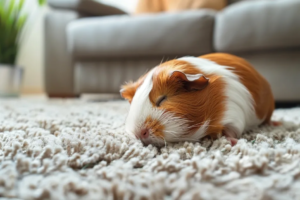
The Effects of Hamster Inbreeding
Inbreeding hamsters is risky: it raises the chance of inherited disease and genetic defects, lowers genetic diversity so offspring get sick more often, and tends to produce weaker, less intelligent pups with higher death rates and reduced fertility. The main reason breeders do it is to lock in a pure bloodline, but the uncertainty is high. For home keepers, the safe choice is to avoid inbreeding entirely, separate males and females into different cages, and if you do plan a litter, pick two healthy, unrelated hamsters and breed them between 5 and 10 months of age.

Cat Won’t Drink in Summer? 8 Tips to Get It Drinking on Its Own
A healthy adult cat needs about 50-60 ml of water per kg of body weight each day, but dry kibble is only around 5-10% moisture, so summer drinking matters even more. Cats sweat only through their paw pads and ears and cool poorly, so low intake risks heat stress. Practical fixes: use a shallow ceramic or glass bowl (deep bowls annoy whiskers), offer a filtered running-water fountain, keep bowls over 1.5 m from the litter box and place several around the home, rehydrate freeze-dried food, serve wet food in the evening, and offer unsalted broth a few times a week. Senior, obese, and chronically ill cats need closer monitoring for dehydration.
100 Essential Tips Every New Cat Owner Should Know
Bringing home a first kitten is exciting but daunting, and poor care can hurt both of you. These 100 essentials cover diet (life-stage food, toxic grapes/chocolate/onion/garlic, no bones or raw meat, fresh water), daily care (brushing, nail and ear cleaning, litter hygiene, n+1 boxes), health (vaccines at 8–12 weeks, deworming, normal temperature 38–39.2°C, spay/neuter, no human meds), behavior (slow blinks, tail talk, no punishment), and home safety (screens, hiding wires, toxic plants, no smoke). Read them once and you'll share a calmer, healthier life with your cat.

Are Dogs or Cats Smarter?
The question of whether dogs or cats are smarter has no simple answer, because intelligence depends on how we define it. Physically, dogs have roughly twice the number of neurons as cats and a longer history of living alongside humans, which shows in their trainability. Many dogs understand over two hundred words and read human body language and emotion with ease. Cats, however, are independent problem-solvers that learn through observation, excel at hunting instincts, and can pick up simple routines like using a litter box. Rather than competing, each species displays a different kind of cleverness: dogs through social cooperation, cats through intuition and independence. In the end, both bring unique joy and companionship, so the scoreboard matters far less than the bond you share.