Search Results
4 results for “cholestasis”
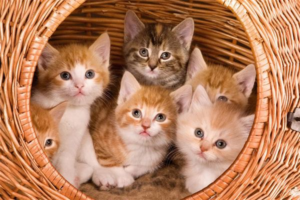
Is White Stool in Cats Normal?
Healthy cat stool is brown, so white stool usually signals a problem such as a blocked or stagnant bile duct, a tapeworm infection, or simply a high-calcium food like raw meaty bones. If the diet has not changed but white stool appears with lethargy or vomiting, see a vet promptly to rule out a bile-duct blockage.

Symptoms of Leptospirosis in Pets
Leptospirosis is a zoonotic infection of dogs and cats caused by pathogenic Leptospira, often silent but marked by fever, jaundice, anemia, edema, hemoglobinuria, bleeding, and in severe cases kidney and liver failure. It spreads through urine, contaminated water, and bites, peaks in warm wet seasons, and is diagnosed by signs plus kidney and liver damage. Prevention is vaccination and rodent control; treatment is antibiotics plus supportive care, avoiding streptomycin when kidneys are involved.
Feline Hepatic Lipidosis: Causes and Treatment
Fatty liver, also called hepatic lipidosis, is an endocrine disorder from impaired liver cells. In cats it's often triggered by anorexia, obesity, or stress. This article details it.

Hepatic Cirrhosis in Dogs and Cats
Hepatic cirrhosis is scarring of the liver from long-standing injury, leading to loss of function, a bleeding tendency, and nervous signs in advanced cases. Treatment removes the cause where possible, supports the liver, and provides a high-protein, high-carbohydrate diet.