Search Results
87 results for “choking”

What to Do When Your Dog Inhales Water (Choking)
A dog that inhales water is usually distressed but often recovers within a short time. If the dog acts normal afterward — eating, drinking and behaving normally — it's fine. But with severe coughing or breathing difficulty, see a vet. This article explains emergency steps for a dog that chokes on water.

Why Does My Cat Keep Choking on Water?
Cats usually choke from drinking too fast or from a bowl that is too low or deep. Offer several fresh water sources and a wide, shallow bowl or fountain to slow the flow; if it happens often, a throat, mouth, or nasal issue may be the cause and a vet check is wise.
My dog keeps vomiting thick yellow fluid, is lethargic, has a swollen chest, and makes choking sounds
Vomiting yellow fluid with a swollen chest and wheezing may point to a lung problem or other disease. See a vet at once — ongoing vomiting causes dehydration and wheezing can lead to suffocation; delaying is life-threatening.

What to Do If Your Dog Is Choking
Choking is a common emergency, but its signs are often mistaken for coughing or vomiting. Knowing the causes and symptoms helps you give the right first aid and get your pet to the vet fast.

Is a Dog Harness Better? How to Choose and Use One
A harness is kinder than a collar because it moves the pull force from the neck to the chest, so you can check a lunging dog without choking it, and its figure-8 fit is harder to slip. Choose by chest girth, comfort, strength, durability and neat workmanship, fit it two fingers loose, keep the leash under 1.5 m, and introduce it after vaccinations at about four months.

Cat Sinusitis: Causes, Symptoms, and Treatment
Cat sinusitis is common, usually from bacteria, viruses, fungi, or irritants, causing sneezing, nasal discharge, congestion, breathing trouble, snoring, red watery eyes, poor appetite, and lethargy. Severe cases show blood-tinged, foul-smelling discharge and may lead to brain complications. Treatment depends on cause and severity: bacterial cases need antibiotics, viral cases antivirals, plus nasal flushing and a cleaner environment.
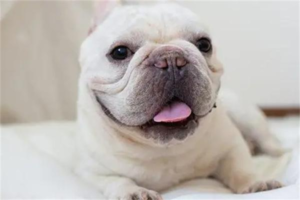
French Bulldog Heatstroke: Symptoms and What to Do
Heatstroke happens when a dog cannot regulate its body temperature in hot or humid conditions, causing dangerous overheating. As a short-nosed breed, French Bulldogs are especially prone to heat stress and breathing difficulty. An affected dog runs a temperature above 40°C with rapid breathing, red membranes, dry mouth, tongue extension, foaming, and even collapse — move it to shade, give water and electrolytes, and apply ice to the armpits, belly, and neck to cool it down.

Long-Haired Curly Guinea Pig
The Long-Haired Curly Guinea Pig, also known as the long-curly-haired cavy, is a rare and distinctive guinea pig variety native to Peru and Brazil. With its unique curly long coat and gentle nature, it makes a beloved small pet, though its coat requires regular grooming to prevent matting.
What happens if a dog eats chestnuts?
A small amount of chestnuts is usually fine, but too many can cause indigestion or poisoning. Chestnuts are high in crude fiber and starch, causing indigestion, diarrhea, vomiting if excessive. They also contain tannic acid, which in excess causes thirst, dry mouth, vomiting, diarrhea, even kidney damage. Swallowing the shell or inner skin may cause choking and needs prompt care.
Common Dog Accidents and First-Aid Steps
Dogs meet accidents like fractures, cuts, burns, bites, choking, and heatstroke. For a fracture, pad and splint it and move the dog as little as possible to the clinic. Rinse burns and bites, control bleeding, and cool a overheating dog in shade with wet towels. If a person is bitten, wash the wound with 20% soapy water for over 30 minutes and seek rabies shots within 24 hours.