Search Results
19 results for “chinchilla diet”

What to Do When Chinchillas Fight
Chinchillas often fight over food or territory, especially when caged together; the safest fix is separate housing. When a fight breaks out, split them carefully without getting bitten, then check for injuries and treat wounds promptly.

Is It Normal for a Chinchilla’s Whiskers to Shorten or Fall Out?
Shortening or lost whiskers can be normal (natural wear, mutual nibbling, routine shedding) or a sign of trouble (barbering, disease, or poor nutrition). Normal loss needs no action, but sudden heavy loss with redness or fur loss warrants a vet visit.
How to Choose the Right Chinchilla Food
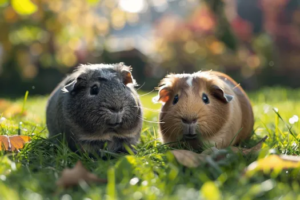
Choose chinchilla pellets by checking the ingredients (16–20% plant protein, at least 18% fiber, 2–5% fat), picking reputable brands, verifying freshness, and matching the formula to your pet's age and health. Transition to new food gradually and supplement with hay for fiber and dental wear.
Why Is My Chinchilla Drooling?
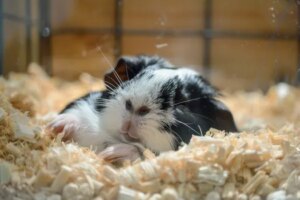
Chinchilla drooling is usually a sign of mouth disease—stomatitis, gingivitis, ulcers, or misaligned teeth—and can also bring bad breath, pain, and appetite loss. For mild gum inflammation use a small-pet oral spray and a broad-spectrum antibiotic; for anything severe, or if digestion, stress, or the nervous system is involved, see a vet to find the exact cause.

What Is the Lowest Temperature a Chinchilla Can Tolerate?
A chinchilla can tolerate temperatures down to about 5°C (41°F) thanks to its dense fur, but sustained cold below that causes shivering, appetite loss, and even respiratory illness. Far more dangerous is heat—above 28°C (82°F) a chinchilla can overheat and suffer fatal heatstroke.

How to Relieve Gas and Bloating in Chinchillas
When a chinchilla is bloated, you can gently massage its abdomen to encourage gut movement and help gas pass. If the bloating persists or worsens, consult a veterinarian who can examine the cause and advise proper treatment. For chinchillas that bloat often, adjust the diet and offer more hay, since its fiber supports digestion and prevents gas. Feeding smaller meals several times a day instead of one large portion also slows eating and reduces digestive upset. This article covers the common signs of bloating and the practical steps you can take at home to help your chinchilla feel better.

How to Treat Constipation in a Chinchilla
Chinchilla constipation is common but, left alone, can seriously harm the gut. Causes include too little fiber or water, intestinal disease such as polyps or rectal inflammation, and too little exercise. Signs are dry pellet-like droppings, lower appetite with more drinking, a slightly swollen tender belly, and lethargy. Treat with more hay and grass powder, extra water, exercise, and gentle belly massage; a vet may advise a motility drug. Long-term laxative use needs professional guidance.
How to Choose the Right Snacks for Your Chinchilla
The right snacks are key to a chinchilla's health and happiness. Chinchillas are omnivores that enjoy dried fruit, nuts, vegetables, and fruit, but some foods—chocolate, onion, caffeine—are toxic and must be avoided. Choose high-quality, additive-free, natural snacks; keep portions small to prevent obesity; vary the types to hold interest; respect individual texture preferences; and stop any food that triggers vomiting or diarrhea. Snacks also double as bonding tools during gentle play.
Can a Chinchilla Eat Only Alfalfa Hay?
Feeding a chinchilla only alfalfa long-term leads to poor nutrition and health problems. Chinchillas are omnivores that need variety—grass hay, dried fruit, nuts, vegetables, and fruit—to meet all their needs. Needs also change with age: youngsters need more protein and calcium for fast growth, while adults need high-fiber hay to aid digestion and wear their teeth. Use alfalfa mainly for juveniles and shift adults toward timothy hay.
How to Handle a Chinchilla in Frequent Heat
Chinchillas breed readily, and frequent heat can make both owners and pets uncomfortable. Adult males are almost always ready to mate, while females come into heat about once a month, becoming noisy and restless. If you plan to breed, provide a quiet, well-prepared environment and proper nutrition; if not, separate cage-mates, offer chew toys and interaction to burn energy, and consider neutering. Because repeated heat shortens a chinchilla's lifespan and raises stress, neutering is the most fundamental, health-protecting solution for non-breeding pets.