Search Results
12 results for “chinchilla behavior”

Chinchilla Behavior and Diet: Habits and Feeding Guide
Chinchillas are hardy, heat-sensitive rodents from the Andes that need a cool environment (8–22°C) and a hay-based diet. Feed mostly timothy and alfalfa hay to wear down continuously growing teeth, add a little pelleted food and fresh water, and limit sugary snacks.
How can you tell if a chinchilla has bonded with its owner?
A chinchilla that has bonded with you will approach willingly, tolerate handling without biting, respond to its name, and feel safe eating in your presence or from your hand. Timid by nature, such trust is a clear sign of attachment.
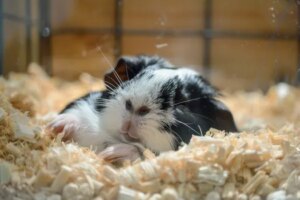
Why Is My Chinchilla Drooling?
Chinchilla drooling is usually a sign of mouth disease—stomatitis, gingivitis, ulcers, or misaligned teeth—and can also bring bad breath, pain, and appetite loss. For mild gum inflammation use a small-pet oral spray and a broad-spectrum antibiotic; for anything severe, or if digestion, stress, or the nervous system is involved, see a vet to find the exact cause.

Can Chinchillas Be Neutered?
Chinchillas can be neutered, ideally before sexual maturity: males around 4-6 months and females around 5-7 months. Neutering controls breeding, calms aggressive or territorial males, and lowers a female's risk of uterine disease and mammary tumors. The procedure is less established in some regions, so choose an experienced veterinarian or a well-equipped hospital, and expect a health check first. Chinchillas are prolific breeders that can mate again within 24 hours of birth, so for pets you do not plan to breed, neutering or strict separation of sexes is the safest approach.

Signs Your Chinchilla Is About to Give Birth
A chinchilla's pregnancy lasts about 111 days. Before birth it may nest—piling hay and wood shavings—grow restless and nibble the cage, become sensitive to strangers, and show a swollen belly, enlarged teats, and genital discharge. In the last hours come contractions, panting, and agitation, plus frantic drinking and stopping food on the day itself. Prepare a quiet, nutritious, clean nest box and have a veterinarian on call in case labor stalls.
How to Handle a Chinchilla in Frequent Heat
Chinchillas breed readily, and frequent heat can make both owners and pets uncomfortable. Adult males are almost always ready to mate, while females come into heat about once a month, becoming noisy and restless. If you plan to breed, provide a quiet, well-prepared environment and proper nutrition; if not, separate cage-mates, offer chew toys and interaction to burn energy, and consider neutering. Because repeated heat shortens a chinchilla's lifespan and raises stress, neutering is the most fundamental, health-protecting solution for non-breeding pets.
Why Is My Chinchilla Peeing Outside the Litter Box?
Chinchillas may urinate in the wrong places for several reasons—bad habits, low mood, estrus, territorial marking, or an underlying urinary infection. Each cause needs a different response. The key first step is to clean any accident thoroughly so the scent doesn't train your pet to reuse the spot. Feeding on a fixed schedule keeps a hungry or unhappy chinchilla calm, while separating cages and considering neutering curbs marking during heat. If urination becomes frequent or the urine looks dark, a vet check rules out infection.
Chinchilla Losing Whiskers? Causes and Care
Chinchilla whiskers can fall out for many reasons—some harmless, others worth attention. Natural shedding is normal and needs no treatment beyond good nutrition, but over-grooming, fungal or parasite infections, and vitamin or protein deficiencies can also cause whisker loss. If whiskers drop on their own with no other symptoms, simply watch your pet's behavior and keep its environment clean and safe. When loss persists or comes with other signs, a vet visit is the right move. Reducing stress, correcting the diet, and maintaining hygiene all help the whiskers grow back.
Chinchilla Twitching: Causes and How to Respond
Occasional mild twitching or trembling in a chinchilla can be perfectly normal—chinchillas often flick their faces to sense air currents and check for danger. However, repeated or severe twitching may point to a nutritional imbalance, chronic stress, or an underlying illness. Calcium or vitamin B1 deficiency, loud or bright stressful environments, and conditions such as liver disease, diabetes, epilepsy, or poisoning can all trigger muscle spasms. Because twitching can be an early warning sign, owners should observe their pet closely and seek veterinary care if the behavior is frequent or comes with other symptoms. A balanced diet, a calm and comfortable habitat, and stable temperatures are the best preventive measures.

How to Help Your Cat Develop Fuller Cheeks
A cat's "chipmunk cheeks" (stud jowls) are a male secondary trait driven by testosterone, with the key window at 5–8 months and set by about 12 months. Support it with high-protein food (35%+), meat, regular deworming, neutering at 8–10 months, and jaw exercise — but many cats (females, Siamese, Sphynx) simply won't develop them.