Search Results
255 results for “chew stick”
Rabbit living habits
Rabbits prefer to eat at night and spend most of the day resting with their eyes closed, looking listless, so provide ample food and water at night. They are timid with keen hearing and startle easily at sudden noises. Importantly, rabbits are solitary animals and should each be housed in a separate cage.

How to Help Your Cat Develop Fuller Cheeks
A cat's "chipmunk cheeks" (stud jowls) are a male secondary trait driven by testosterone, with the key window at 5–8 months and set by about 12 months. Support it with high-protein food (35%+), meat, regular deworming, neutering at 8–10 months, and jaw exercise — but many cats (females, Siamese, Sphynx) simply won't develop them.
The Hidden Cost of Ignoring Your Dog’s Tartar
Tartar causes more than bad breath — it harbors bacteria that trigger gingivitis and periodontitis, erode the alveolar bone, and loosen teeth. Bacteria entering the bloodstream via gum wounds can cause sepsis, nephritis, or myocarditis, shortening a dog's life by 2–3 years. Treat with professional cleaning (and extraction if severe), and prevent daily with brushing, dental wipes/gel, and chews.
What can hamsters use to grind their teeth?
Hamsters can grind their teeth on apple-branch sticks, mineral stones, nuts, or grinding food. Most hamsters love chewing apple branches because they have a mild sweet taste, little moisture, and are very durable.

What Causes Stress in Cats
Cat stress comes from many things: environment changes, lack of company, noise, broken routines, household conflict, and health issues. Keep the home stable and quiet, stick to a routine, respect its boundaries, and see a vet if urination, appetite, or vomiting problems appear.
How Does a Toothless Dog Eat?
A dog without teeth can still eat kibble — dogs don't chew much anyway, and strong stomach acid plus digestible kibble handle it. For weak guts, pick small, softened kibble, homemade mush, or wet food. Avoid hard chews, bones, and sticky foods, use a shallow non-slip bowl, and feed small meals often.
Can cat food be soaked in water before feeding?
Cat food can be soaked in water, and warm water is generally recommended. Softening the kibble makes it easier to chew, which suits very young kittens and cats with stomatitis who cannot chew normally. However, kittens over three months old and healthy adult cats are usually better off with dry food.
Extruded vs. Baked Cat Food: What’s the Difference?
Extruded and baked cat foods differ mainly in process. Extruded food mixes meat, grains, and produce, then cooks and shapes it under high heat and pressure (120–140°C) before coating with fat and flavor — the mainstream since the 1950s. Baked food uses low-temperature baking (80–100°C), keeping ingredients and nutrients more intact and needing little starch as a binder, so it is usually grain-free with higher meat content. Extruded is cheaper and easier to store; baked costs more but suits sensitive stomachs and cats prone to chin acne. The real key is ingredient quality, not the process.
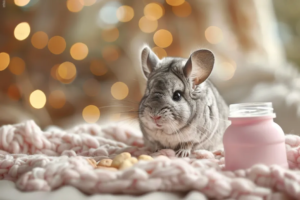
What to Do About Malocclusion in Hamsters
Because a hamster's teeth grow continuously, a lack of chewing materials and proper food can cause uneven tooth length and lead to malocclusion. When you notice this problem, take your pet to a veterinary clinic where a professional can gently file the teeth with sterilized tools. If a visit is not convenient, you may carefully trim the overgrown teeth at home using cleaned and disinfected nail clippers, then smooth the edges. Always keep the hamster steady to avoid cutting the mouth. To prevent recurrence, provide appropriate chew items such as hay, apple-branch sticks, and mineral stones. This guide covers the causes, signs, treatment, and prevention of hamster malocclusion.

Why Does Your Dog Bite Your Pant Legs? (And What It Means)
When a dog grabs and tugs at your pant leg, it is rarely out of spite. Most often the dog is trying to get your attention, invite you to play, or signal a need such as an empty food bowl. The swaying fabric can also trigger an inherited prey drive, since a moving pant leg looks like something to chase. In some cases—especially when you pick up keys or put on shoes—it signals separation anxiety: studies show a large share of dogs chew scent-bearing items to soothe themselves when they sense you are leaving. The fix is consistency: ignore the behavior, reward calm following, offer chew toys, and meet the dog's exercise needs. Understanding the motive behind the bite is the first step to changing it, and learning your dog's other body-language cues helps you bond.