Search Results
61 results for “catheterization”
What happens if a cat does not urinate?
A cat that cannot urinate may have urinary disease, and prolonged retention can stretch the bladder and even cause rupture or kidney failure. See a vet promptly and ensure adequate daily water intake.
What are the symptoms of a cat urinary tract infection?
Cat UTI signs are frequent urination, low volume, painful urination and blood in urine. Early, the cat visits the box often but passes little or none; some stay in the box all day from constant urgency. As it worsens, urine turns cloudy with mucus or pus, sometimes blood. If the bladder fills, the vet must catheterize and use diuretics and anti-inflammatories.

How to Quickly Treat a Cat With Urinary Blockage
Feline urinary blockage is an emergency—caused by urethral stones, urethritis, enlarged prostate, tumors, or stress-induced cystitis—where urine can't pass and the bladder over-distends. Get to a vet fast for IV fluids, catheterization (or bladder tapping), urine tests, and possibly surgery or meds; prevent it with plenty of water, a calm home, and neutering males.
What is the fastest way to make a dog urinate?
Diuretics like hydrochlorothiazide or furosemide work fastest, but must follow vet guidance. If they fail, a clinic can catheterize or you can gently press the bladder.

Why Is My Dog in Pain When Urinating?
When a dog shows pain while urinating, the cause is usually a problem in the urinary tract, such as a urinary infection, bladder stones or crystals, or a blockage. Along with painful urination, you may notice frequent or urgent attempts to urinate, straining, reduced output, blood in the urine, cloudy or pus-like urine, or a complete inability to pass urine. Because these conditions can quickly become serious, any sign of painful urination means your dog should be seen by a veterinarian promptly. Diagnosis may involve urinalysis, X-rays, ultrasound, or other tests, and treatment is chosen according to severity, ranging from relieving a blockage and catheterization to medication or surgery.
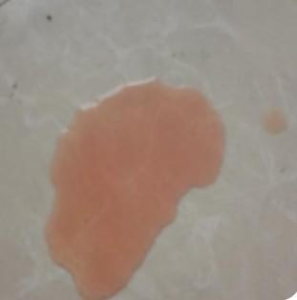
Male Cat Cystitis with Pink Urine: A Recovery Case
A 4-year-old male cat had on-and-off pink, blood-tinged urine—classic of cystitis, urethritis, or crystal irritation of the lower urinary tract, which causes frequent, scanty, painful urination. A diuretic to flush the tract plus an antibiotic for infection, with plenty of water and clean litter, brought normal urine color in about three days. Recurring pink urine, though, deserves a vet check for stones.

When Cat Peeing Around the House Means a Blockage
A cat suddenly urinating in odd places can signal a dangerous urinary blockage. Warning signs: pink or clear urine, frequent attempts, straining, blood, low meowing in the box, over-grooming the genitals, a sensitive belly, and only drops when the bladder is pressed. Blockage means urine output stops - under 1 mg/kg/hr is oliguria, none is a blockage. Causes: urethral or bladder stones (acid urine favors calcium oxalate, alkaline favors struvite), lower urinary tract syndrome (bacterial cystitis, urethral plugs that can kill in 1-2 days, or idiopathic cystitis that self-heals in 7-14 days if not blocked). A full blockage needs immediate vet catheterization - over 24 hours causes acute kidney failure. Prevent with more water, fewer mineral treats like dried fish, clean litter, and less stress.

Feline Hypertrophic Cardiomyopathy: Symptoms, Treatment, and Prevention
Feline hypertrophic cardiomyopathy (HCM) is a frequently inherited heart-muscle disease in which the ventricular walls thicken and filling is impaired. Many cats show no early signs, then suddenly develop breathing distress, weakness, or sudden death from stress or arterial obstruction.

Bladder Rupture in Dogs and Cats
Bladder rupture is a tear in the bladder wall, usually from trauma or severe lower-urinary-tract disease, that lets urine spill into the abdomen. It causes abdominal pain, vomiting, fever, and rapid breathing, and can rapidly lead to peritonitis and uremia without surgery.

Cystitis in Dogs and Cats
Cystitis is inflammation of the bladder lining, usually from bacterial infection, causing painful, frequent urination with cloudy or blood-tinged urine. It is most common in female dogs and cats. Most cases respond well to antibiotics and supportive care, but a deep infection can become systemic.