Search Results
46 results for “cataracts”

What Are the Common Eye Diseases in Dogs?
Dogs can develop several common eye problems, including conjunctivitis, keratitis, entropion, and cataracts, each with distinct signs such as redness, tearing, cloudiness, or a whitish discoloration. Some breeds are more prone to certain conditions, but daily eye checks and prompt cleaning of discharge go a long way toward prevention.

Honest Talk: Why a Labrador Retriever May Not Be the Right Dog for You
Labradors are among the most popular dogs, but they are highly excitable — they bolt, jump on people, and mature late, needing patient training over a longer time. Because they aren't aggressive and trust strangers, they can be led away if not watched. Adult Labs are true medium-energy sporting dogs needing at least 1.5 hours of hard exercise daily, so they don't suit owners short on walk time. They're also prone to hip and elbow dysplasia, inherited cataracts, and obesity — be prepared.
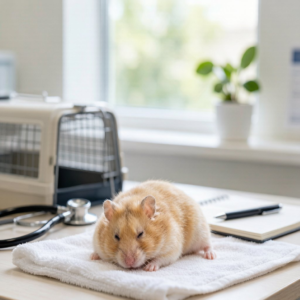
Common Illnesses in Golden Hamsters
Golden hamsters commonly face skin allergies, colds, diarrhea, constipation, and eye trouble such as conjunctivitis, mostly linked to diet and environment. To lower the risk, manage food and housing carefully, keep nutrition complete and safe, and maintain a clean, dry habitat.

How to Prevent Diabetes in Hamsters
To lower a hamster's risk of diabetes, manage its diet strictly, provide enough exercise, reduce stress, and schedule regular checkups to protect its health. Control sugar intake, avoid overfeeding fruits and vegetables, and prevent obesity. Let the hamster exercise to burn excess energy, control weight, and build overall fitness. Dwarf hamsters are especially prone to the disease, so prevention matters from an early stage.
How to Take Care of a Corgi
Corgis—those adorable 'short legs'—need careful care to stay healthy. Feed on a 'moderate, timed, fixed-spot' routine: about three meals a day, each finished in 5–10 minutes, with constant water. Don't overfeed; corgis love food and gain weight easily, and obesity drives heart disease and strain on their leg joints. Their thick coat sheds heavily, so brush often to prevent mats, and add lecithin and fish oil for skin and coat. They are energetic and need daily walks or runs. Because their low build lets dirt reach the urethra, keep the environment clean and watch for discharge. Train with clear rewards and corrections, and start 'quiet' training early since they bark loudly.
What to Do When Your Dog Has Uveitis
Uveitis is inflammation of the middle layer of the eye, rich in vessels that guard the blood-aqueous barrier, so when it flares the eye leaks protein and cells and can threaten sight. Causes range from injury to immune disease, infection, or tumors, and some cases are idiopathic. This guide explains the signs, diagnosis, and why prompt specialist care matters.
How to Give Your Cat Vitamin B
Ringworm often strikes weak, underfed cats and can stem from vitamin B lack, which also causes weight loss, hair loss, and serious nerve and eye damage. Use cat-specific B vitamins, not human ones they can't absorb, and feed B-rich food and fruit. After baths, dry fully, and disinfect the environment to stop ringworm spread.
How to Tell If Your Dog Has an Eye Problem
Eye trouble shows as constant cloudy tears, hardened gunk, rubbing or bumping the eye, swollen or red lids, bulging (glaucoma), white clouding (cataracts), or entropion/ectropion. Clean with pet eye drops and wipes daily; correct lids and cornea with vet care. Flat-faced and loose-skinned breeds need extra caution.
Why Does My Rabbit Keep Tearing Up?
Rabbits that constantly tear up may be reacting to simple irritants, eye infections, blocked tear ducts, dental disease, or even congenital eye conditions. Because persistent tearing can signal discomfort or an underlying problem, owners should keep the eye area clean, maintain a hygienic habitat, and ensure a balanced diet. If the tearing worsens or appears with redness, discharge, swelling, or loss of appetite, a veterinary exam is essential. This article covers the common causes and the practical home care steps you can take to keep your rabbit comfortable and healthy.
How to Supplement Vitamin B for Your Cat
Vitamin B deficiency in cats frequently appears as skin trouble—especially ringworm—along with a dull coat, weight loss, and loss of appetite, and in serious cases it can progress to eye and nerve problems. Because cats cannot store or synthesize enough B vitamins on their own, daily diet matters. This guide covers the warning signs of deficiency, why human B supplements are a poor fit for cats, and safe ways to meet their needs: B-rich cat food, small amounts of fruit, thorough drying after baths, regular disinfection of bedding and surroundings, and sunlight to help keep skin healthy.