Search Results
105 results for “cat yellow urine”
What Should Cat Litter Look Like After a Normal Urination?
Normally the litter clumps on contact with urine, which is yellow to brown and strong-smelling, forming one large clump. Pink or red color or many tiny clumps suggests a urinary problem such as infection or stones, needing a vet.
How many times a day does a cat urinate?
Urination frequency depends on water intake; normally 3-5 times daily, 100-300 ml per day. Yellow, low-volume urine means too little water; add more. Cats dislike drinking, so guide them, or long-term low intake causes heat and serious disease.
What is normal urination and defecation for a Doberman puppy?
Normally a Doberman puppy's stool is yellow, soft but not too watery, 1 to 3 times a day. Loose, frequent stool means diarrhea; give probiotics and see a vet if no improvement. Urine is normally pale yellow and clear; dark urine means low water intake, so give warm water.
An eight-month-old puppy has swelling around the urethra, white discharge, and yellow urine, but eats and acts normally
White discharge near the urethra depends on sex; in males it may be normal heat secretion or a secondary urinary infection from licking, while in females it may indicate vaginitis, endometrial infection, or pyometra. Get an ultrasound and treat accordingly; otherwise use pet anti-inflammatory drugs and iodine, with a collar.
What are the symptoms of a cat ‘getting heated’ (internal heat)?
A cat with internal heat shows a dry nose, more eye discharge, yellow urine, hard dry stool, bad breath, and red oral mucosa. Too many cans, goat milk, dried fish, or meat can cause it. Adjust to a light diet with more water, or feed some mung bean soup to relieve it.
Helping a Cat Through Moving Stress
After a move a cat may hide, pant, stop eating, or even develop feline idiopathic cystitis from stress. Set up a quiet 'safe base' with its familiar bed, toys, and scent, run a synthetic pheromone diffuser, and speak and pet gently without forcing it out. If it refuses food and water over 24 hours, vomits, strains to urinate, or breathes fast with pale gums, see a vet — adapting can take 1–2 weeks.
Can Obesity Cause Fatty Liver in Cats?
Overweight cats are at higher risk of fatty liver, because excess fat around the liver can move into it. Fat cats also more often have diabetes and pancreatitis, which can lead to fatty liver, and prolonged starvation is another common cause. Symptoms include anorexia, weight loss, vomiting, and jaundice, and severe cases can be fatal, so prevention matters.
How to Stop Your Cat from Peeing on the Bed
Finding a yellow wet spot on the bed is every cat owner's nightmare. Before anything else, rule out disease: feline lower urinary tract disease (FLUTD) makes urination painful, so cats link the box with discomfort and seek softer spots like the bed. If peeing comes with straining, blood, or constant licking, see a vet. Non-medical causes are a disliked litter box (bad location, poor hygiene, wrong litter, too few boxes in multi-cat homes) and stress or anxiety. Fixes: upgrade the box, scoop twice daily, follow the n+1 rule, ease anxiety with play and pheromone spray, and remove the urine scent with an enzymatic cleaner plus detergent. Most cats return to normal in 2-3 weeks.
Why Cats Develop Uremia (and How to Prevent It)
Uremia occurs when kidney damage stops a cat from clearing waste and toxins, which then build up and harm the body. Causes include age-related decline, unbalanced nutrition, and low water intake, while other illnesses can also damage the kidneys. Watch for changes in urination frequency and volume, dark or cloudy urine, and appetite loss, weight drop, vomiting, or dehydration. Prevention centers on high-quality food, plenty of fresh water, a clean environment, and regular checkups and vaccinations; treatment involves medication, fluid therapy, and nutritional support.
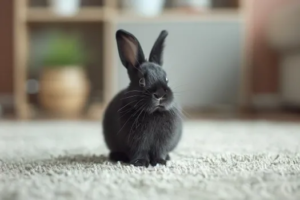
What to Do If Your Rabbit’s Fur Turns Yellow
Yellow fur in rabbits can signal poor nutrition, too little sunlight, skipped grooming, illness, or simply urine staining. Because the cause varies, judge by the situation. Feed a balanced diet of fresh grass, vegetables, and quality pellets; give a few hours of gentle outdoor sun (avoid midday heat); brush regularly with a soft comb and use a rabbit-safe shampoo only when needed; and keep the cage clean and dry so urine doesn't stain. If yellowing comes with other symptoms, see a vet for parasites or infection. With diet, light, grooming, and checkups, the coat can recover its healthy shine.