Search Results
348 results for “cat wound care”

Why Your Cat Has Crusty Scabs on Its Ear
Crusty scabs on a cat's ear often come from scratching due to ear mites or from a fight with another cat. Protect the ear with a cone, separate the cats, disinfect, and see a vet if it spreads or fails to heal.

Ear Mites in Cats and Dogs: Symptoms and Treatment
Ear mites are a common ear parasite in cats and dogs that trigger allergy and can lead to secondary infection. Itching, head-shaking, and dark debris are the classic signs — and a 2-3 week cleaning plus medication plan clears most cases.

What to Know Before and After Cat Spay or Neuter
Cats can be spayed or neutered from about six months old, and a smooth procedure comes down to good preparation, the right surgical package, and careful recovery. Knowing what to do — and what to avoid — prevents most complications.
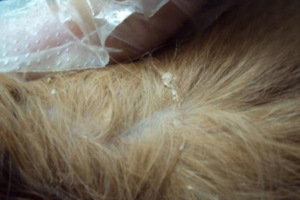
Is Matted Cat Fur a Sign of Skin Disease
Matted fur isn't automatically a skin disease; often it just means the coat wasn't brushed. But mats trap moisture and oil, creating a breeding ground for infection, and ringworm or an old wound can also cause clumping. Regular grooming and the right ringworm care keep the skin healthy.

Cat Spay and Neuter Care: Details You Shouldn’t Skip
Neutering curbs mating aggression, noisy calling, marking, and heat-related illness, but the surgery is only half the job. Follow the antibiotic course, avoid picking the cat up, and support recovery with good nutrition.

Post-Surgery Recovery Care for Your Dog
After an operation a dog is fragile and needs careful nutrition, soft easy meals, and real rest. A recovery supplement, balanced food, and limited activity help the incision heal and the dog bounce back.
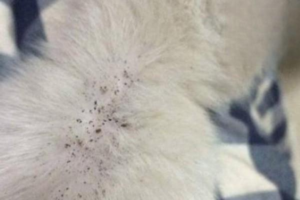
Why Do Cats Get Fleas and Where Do They Come From?
Fleas are blood-feeding parasites that hide in corners and latch onto cats that aren't on regular prevention. They cause relentless itching and can spread disease. Clearing them means treating the cat and disinfecting the home, with prevention as the real solution.

Caring for Your Rabbit After Spay or Neuter Surgery
Most rabbits can go home about half a day after neutering and recover better at home, but the incision, diet, and bowel movements all need close attention. Use gas anesthesia if possible, photograph the wound daily, keep an Elizabethan collar on for a week, resume normal feeding right away, and watch that the rabbit passes stool within one to two days.

Treating Your Dog’s Skin Condition at Home
Dog skin problems trace back to bacteria, fungi, mites, vitamin gaps, or poor grooming, all worsened by low immunity. At home, clean the area, apply the right antifungal or antibacterial ointment, and add oral antibiotics or B vitamins for serious cases.

Symptoms and Treatment of Hole-in-the-Head Disease in Blood Parrot Cichlids
Hole-in-the-head disease (head and lateral line erosion) is a common, highly contagious condition in blood parrot cichlids, usually triggered by nutritional deficiencies or poor water quality. Because it spreads easily to healthy tankmates, isolating the affected fish and starting treatment promptly makes the difference between a quick recovery and a worsening infection.