Search Results
516 results for “cat worms”
What are the symptoms of roundworm (ascarid) infection in dogs?
Roundworm infection in dogs shows as malnutrition, weight loss, pale mucous membranes, a rough dull coat, reduced appetite, vomiting or passing worms, and worm-laden diarrhea; severe cases add lethargy, digestive upset, and acute abdominal pain. Mild cases need deworming (e.g., albendazole); moderate cases also need nutrition and easily digested food; severe cases with neurological signs require a vet.

How to Choose a Reliable, Budget-Friendly Dog Dewormer
Owners often swing between over-priced imports and risky unlicensed bargains—both can harm the dog. Deworming is non-negotiable: internal worms steal nutrition and damage the gut, while heartworm stays silent until it is serious, and external pests spread disease to people too. This guide explains why deworming matters, the active ingredients by parasite type (including the Collie warning on ivermectin), and how to choose and use a product safely—spectrum, convenience, credentials, correct dosing, and the myths that lead owners astray.

How to Choose a Parasite Treatment: Internal, External, and Combined
Parasites threaten every pet, even indoor ones, and choosing among internal, external, and combined treatments is where new owners get stuck. This guide lists the common parasites cats and dogs face, explains the three product categories and their typical active ingredients, and answers beginner questions—why deworm even with no visible bugs, where to apply drops, when bathing is safe, and whether imports are always better. The takeaway: deworming is a long-term habit built on the right product, correct use, and consistency.

How to Choose a Dewormer for Dogs
Most dogs meet parasites at least once, and fleas, roundworms, and heartworm are among the most common. Deworming is not a gimmick, yet three myths—indoor dogs are safe, price equals quality, one dose lasts half a year—lead owners astray. This guide covers the three standards for choosing (spectrum, safety, value), the Collie caution with ivermectin-class drugs, and a sensible schedule: monthly external and combined coverage, internal every three months for adults, and vet-guided care for puppies, pregnant, or sick dogs. Low price need not mean low efficacy.
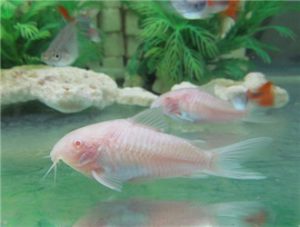
White Corydoras
The White Corydoras is native to South American waters and is now mostly captive-bred. An albino form of the Bronze Cory, it has a milky white body with clear red eyes, is gentle, and is kept in schools. Egg-laying and good with small fish, it suits planted tanks as a bottom fish.
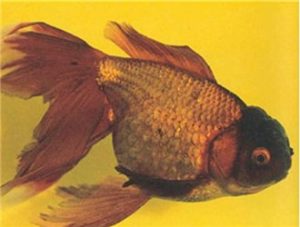
Brown Oranda with Curled Opercula
In goldfish, curled opercula is usually a disease sign, but the Brown Oranda with Curled Opercula has gill covers that grow everted from inside out like a wound - a hereditary variation.

Pearl Stingray
The Pearl Stingray (Potamotrygon motoro), also called the Amazon River Stingray, is a common stingray in aquariums. Its charming pattern of round cream spots like pearls gives the name 'Pearl Stingray'.

Glowing-scale Butterfly-tail Goldfish
The Glowing-scale Butterfly-tail Goldfish is a goldfish variety whose special coloration interweaves black, white, and red patches like a Chinese ink painting, earning it the nickname 'landscape-painting butterfly tail'.

Silver Gourami
The Silver Gourami, also known as the Moonlight Gourami or Silver Man, is an all silver-white, robust fish that is easy to keep - a good beginner ornamental fish. However, newly hatched fry are harder to raise and have a lower survival rate than other gouramis.

Chinese Sucker
The Chinese Sucker is a peculiar, brightly colored freshwater fish unique to China, also called the Chinese Sailfin Sucker and known as the 'Asian mermaid' in Southeast Asia. A Class II protected species, it is prized by aquarists for its distinctive shape and the auspicious 'smooth sailing' symbolism.