Search Results
516 results for “cat worms”

What Parasites Live Inside Cats
Cats can harbor several internal parasites, each with its own tell-tale signs. Roundworms, hookworms, filarial worms, and tapeworms differ in appearance and symptoms but all deserve prompt attention. A regular deworming routine is the simplest way to protect your cat's health.

Internal Parasites in Cats
Internal parasites are a common and potentially serious problem in cats, ranging from roundworms and hookworms to tapeworms and filarial worms. Left untreated, heavy infestations can stunt growth, cause anemia, and even prove fatal. Regular deworming is the most reliable way to keep them under control.

Does My Cat Really Need Deworming?
Even cats that never go outside can still pick up internal and external parasites, because owners may unknowingly carry flea eggs and worm larvae home on their shoes and clothing. Routine deworming plus a clean, regularly disinfected living space is the most reliable way to keep a cat parasite-free.

What If My Cat Licks the Dewormer?
If a cat licks a topical dewormer, contact a vet promptly — an Elizabethan collar after application stops licking. Dose strictly by weight, never add product to bath water, skip organophosphate flea collars, and watch stool and mood for 1–2 days.
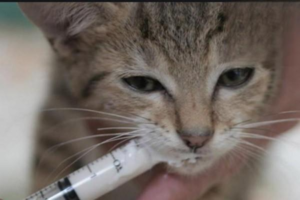
How Long After Deworming Can I Bathe My Cat?
Wait 1–2 weeks after deworming before bathing, or the product's effect weakens. Cats self-clean well, so bathe rarely; too often lowers skin resistance. An ivermectin-based topical covers most external and some internal parasites.

Parasites on Stray Cats: What to Do
Strays, with weaker immunity, often carry both internal parasites (roundworms, coccidia, hookworms, toxoplasma) and external ones (fleas). Signs include diarrhea and fever; treat with combing, a flea shampoo, and broad-spectrum dewormers, then keep the coat dry and watch for post-treatment upset.
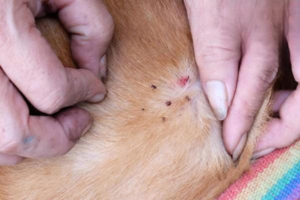
Do Cats or Dogs Have More Parasites?
Cats and dogs share most parasites, so neither has 'more'; the load depends on environment and health. Roundworms, hookworms, tapeworms, and others cause real harm, and a regular deworming schedule keeps them down.

What to Give a Cat With Diarrhea
Before reaching for any medication, figure out why your cat has diarrhea—diet change, gastritis, or parasites each call for a different response. Probiotics and a bland diet resolve many mild cases, while parasites need a vet-confirmed dewormer. Knowing the cause is what lets you treat it correctly.

How to Tell If Your Cat Needs Deworming
Most internal parasites are invisible to the naked eye until an infestation is advanced, so routine deworming matters more than waiting for symptoms. Kittens need monthly protection and healthy adults every three months; a vet can confirm parasites from a stool sample under the microscope.
My cat got diarrhea right after eating its kibble. What causes this?
First check the stool for worms or blood; if none, diet is the likely cause—most often a food change or something indigestible, such as certain cat cans. Withholding food for a day or giving an anti-diarrheal usually resolves it.