Search Results
86 results for “cat water intake”
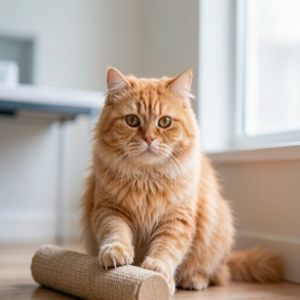
Why Does Your Persian Cat Keep Tearing Up
Persistent tearing in Persian (Exotic) cats can have several causes. Their short nasal passages and shallow eye sockets make mild tearing normal, but blocked tear ducts, structural gland issues, conjunctivitis, keratitis, injury, or foreign particles can all increase eye discharge. Diet also plays a role: salty food and low water intake lead to internal heat and heavy tear staining. If tearing continues or comes with redness, fever, poor appetite, vomiting, or diarrhea, see a veterinarian for diagnosis and treatment.
Why Do Cats Have Difficult Labor?
Dystocia in cats has many causes: existing health problems or illness during pregnancy, overly large kittens, abnormal positioning, or stress during delivery all raise the risk. Before birth, take steps such as a prenatal check to lower the risk and protect mother and kittens.
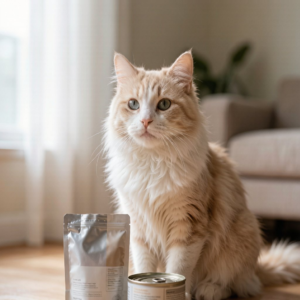
Dry or Wet Cat Food: Which Is Better? (Most Owners Pick Wrong)
Neither dry nor wet food is absolutely better; it depends on the cat. A healthy adult can follow a "dry in the morning, wet in the evening" rule, meeting nutrition and water needs while avoiding spoilage. Special cases, senior cats with poor teeth, 2-3 month kittens, and cats with urinary disease, should lean toward wet food. The catch: long-term wet feeding needs extra dental care. Dry food is convenient, cheap, and helps scrape teeth but is only ~5% moisture and calorie-dense, raising dehydration and obesity risk. Wet food is 70-80% moisture, tastier, and nutrient-rich but costs more, spoils fast, and leaves more residue on teeth.
Cat Won’t Drink in Summer? 8 Tips to Get It Drinking on Its Own
A healthy adult cat needs about 50-60 ml of water per kg of body weight each day, but dry kibble is only around 5-10% moisture, so summer drinking matters even more. Cats sweat only through their paw pads and ears and cool poorly, so low intake risks heat stress. Practical fixes: use a shallow ceramic or glass bowl (deep bowls annoy whiskers), offer a filtered running-water fountain, keep bowls over 1.5 m from the litter box and place several around the home, rehydrate freeze-dried food, serve wet food in the evening, and offer unsalted broth a few times a week. Senior, obese, and chronically ill cats need closer monitoring for dehydration.
Why Do Cats Get Cracked Paw Pads?
Cracked paw pads are common in cats, but the cause determines the fix, so treatment should target the underlying issue. Overgrown keratin, the protective layer on the pad, can thicken from too much time on hard floors and too little movement, leading to cracks, so give cats soft surfaces and enough rest. Dry air and low water intake dry the pads out, making humidity control and constant access to fresh water essential. Poor nutrition, especially zinc deficiency, leaves pads dry and brittle, so feed a balanced, high-quality diet. External irritants like grass spines and parasites can also crack the skin, so check and clean the paws regularly. Fungal or bacterial infection brings redness, itch, pain, even bleeding, and needs cleaning, disinfecting, and the right medication. Keeping indoor humidity up, feeding good food, and ensuring hydration are the best defenses.

Male Cat Cystitis with Pink Urine: A Recovery Case
A 4-year-old male cat had on-and-off pink, blood-tinged urine—classic of cystitis, urethritis, or crystal irritation of the lower urinary tract, which causes frequent, scanty, painful urination. A diuretic to flush the tract plus an antibiotic for infection, with plenty of water and clean litter, brought normal urine color in about three days. Recurring pink urine, though, deserves a vet check for stones.
Why Cats Develop Uremia (and How to Prevent It)
Uremia occurs when kidney damage stops a cat from clearing waste and toxins, which then build up and harm the body. Causes include age-related decline, unbalanced nutrition, and low water intake, while other illnesses can also damage the kidneys. Watch for changes in urination frequency and volume, dark or cloudy urine, and appetite loss, weight drop, vomiting, or dehydration. Prevention centers on high-quality food, plenty of fresh water, a clean environment, and regular checkups and vaccinations; treatment involves medication, fluid therapy, and nutritional support.
What Causes Watery Stool in Cats?
Watery stool in cats can stem from diet, digestion, or disease, and the fix depends on the cause. Drinking too much water or eating very moist food can loosen stools, as can irregular, all-you-can-eat feeding that upsets a sensitive gut—here, pet probiotics help restore balance. Parasites and viruses are more serious: worms in the stool signal a parasite infection needing deworming, while an unvaccinated cat with watery diarrhea may have a dangerous viral infection and needs a vet fast. If diarrhea lasts or comes with other symptoms, see a clinic. Prevent it with measured feeding, regular deworming and vaccines, and a clean, disinfected home.
Why does my cat urinate frequently but only a little each time?
This often signals urinary disease - idiopathic cystitis, urethral spasm, stones or obstruction - or stress and low water intake. See a vet to find the cause.
Why Does My Cat Keep Pawing at the Water Bowl?
Cats are intelligent, clean-loving animals, and pawing at the water bowl usually signals something specific rather than random mischief. The behavior may mean your cat finds the water unclean, simply enjoys playing with water, feels bored or unhappy, or is trying to get your attention. Because drinking enough water is vital to feline urinary health, it is worth addressing. Keep the bowl clean and fresh, consider a circulating fountain to encourage drinking and curb the pawing, and provide engaging toys to burn off excess energy. Paying attention to your cat's mood and offering companionship also reduces attention-seeking behavior. Understanding the cause is the first step, so you can respond with the right fix instead of scolding.