Search Results
286 results for “cat vomiting yellow”
What are the symptoms of parvovirus infection in dogs?
Parvo causes loss of appetite, lethargy, vomiting, diarrhea, arched back, yellow urine, pale gums, and low blood sugar; severe cases dehydrate or go into shock. Treatment uses immune serum, antibiotics, and fluid replacement.

Causes and Treatment of Dog Hepatitis
Dog hepatitis can stem from infectious canine hepatitis, toxins or drugs (arsenic, mercury, plant alkaloids, phenols, chlorpromazine, testosterone, halothane), or liver-fluke parasites. Early signs are vague — lethargy, appetite loss, jaundice, vomiting — so a vet visit and blood work are needed; treatment removes the cause, supports the liver, and uses antivirals when viral.
How to Check If Your New Puppy Is Healthy
Check a new puppy in five steps: mental state (curious, not lethargic), appetite (eating within a day or two), temperature and breathing (38–39°C; over 39.5 is fever, under 37.5 hints at low sugar or shock; 20–30 breaths/min at rest), and stool/urine (formed brown, no blood or diarrhea). Also scan coat, gums, ears, eyes, and gait.

Symptoms of Canine Leptospirosis
Leptospirosis is a serious dog disease caused by Leptospira bacteria - also called infectious jaundice or hemorrhagic jaundice - that spreads through skin, mucus membranes, and contaminated food or water, often peaking in summer and early autumn. Two forms stand out: one brings sudden fever, vomiting, dark bile-colored urine, yellow gums, and bleeding, while the other causes vomiting and bloody diarrhea with mouth ulcers and a death rate of 60-80 percent in acute cases. Diagnosis uses microscopy, culture, and blood tests, and treatment pairs antibiotics with liver and fluid support. Clean housing, rodent control, quarantine, and the two-type vaccine are the key preventives.

Canine Infectious Hepatitis: Can It Be Treated
Canine infectious hepatitis is an acute, often severe viral disease of dogs caused by canine adenovirus type 1 (CAV-1). It spreads through urine, saliva, and nasal discharge and hits weaned puppies hardest, sometimes with no warning signs. Typical signs include a fever that rises then falls, lethargy, vomiting, diarrhea, and a characteristic cloudy "blue eye" in about a quarter of recovering dogs. While there is no direct cure that eliminates the virus, most dogs recover with prompt supportive care such as fluids, liver protection, and antibiotics to control secondary infection. The good news is that the disease is highly preventable through routine vaccination, with puppy shots given at 8-9 and 10-12 weeks and annual boosters for adults.

Symptoms and Treatment of Gastroenteritis in Dogs
Gastroenteritis is the general name for acute or chronic inflammation of the stomach and intestinal lining. Because dogs and cats are meat eaters, the causes are many, from bacteria, viruses, and parasites to drugs and bad food, so diagnosis must be precise. Most cases show on-and-off vomiting and diarrhea, with foam or yellow bile in the vomit. A vet should treat it early, with care centered on fasting, fluids, nutrition, and stopping the vomiting and diarrhea.

Treating Hookworm Infection in Dogs
Hookworm disease in dogs is caused by the dog hookworm (Ancylostoma) and the narrow-head hookworm (Uncinaria). These small parasites latch onto the intestinal wall and feed on blood; severe infection causes pale mucous membranes, weight loss, a rough coat, poor appetite, vomiting, and alternating diarrhea and constipation with bloody, tarry, foul stools. In puppies, skin invasion causes inflammation, and infection in 3-week-old pups can cause fatal anemia. Treatment starts with deworming—an injectable antiparasitic against hookworms, with pyrantel or levamisole also used for killing—and severe cases need supportive care such as iron supplements or a transfusion for anemia.
Foods That Support Your Dog’s Liver
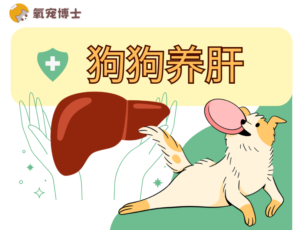
The liver filters toxins, stores nutrients, and makes bile, yet it stays silent until heavily damaged—so daily support matters. Quality protein, cruciferous vegetables, and berries aid detoxification, while milk thistle, dandelion root, and omega-3s protect cells. Just as vital is what to skip: fatty foods, toxic items like chocolate, onion, and grapes, and human medicines that strain or poison the liver. Keep water flowing and weight healthy.

Kitten Vomited After Overeating—What to Do
A kitten's stomach is small, so eating too much or too fast easily triggers vomiting. Start by resting the gut with a short fast—1–2 hours (never long for under-three-month kittens, who risk low blood sugar)—then offer tiny amounts of water and easily digested food, building back up over a day or two. Tell simple overeating from illness by the cat's spirit, and head to a vet for frequent, bloody, or weakness-causing vomiting.
Egyptian Cobra
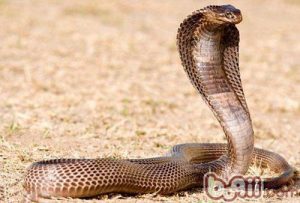
The Egyptian Cobra (Naja haje) is a large, highly venomous snake of northern Africa and the Arabian Peninsula, famed as the 'asp' of Cleopatra. Reaching 1.5–2.4 m with a broad neck hood, it is mostly nocturnal and delivers a potent neurotoxic venom—among the deadliest cobras.