Search Results
43 results for “cat urinary health”
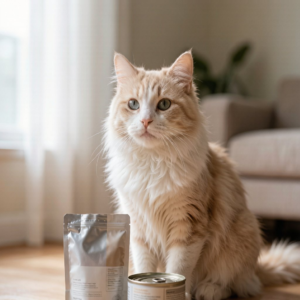
Dry or Wet Cat Food: Which Is Better? (Most Owners Pick Wrong)
Neither dry nor wet food is absolutely better; it depends on the cat. A healthy adult can follow a "dry in the morning, wet in the evening" rule, meeting nutrition and water needs while avoiding spoilage. Special cases, senior cats with poor teeth, 2-3 month kittens, and cats with urinary disease, should lean toward wet food. The catch: long-term wet feeding needs extra dental care. Dry food is convenient, cheap, and helps scrape teeth but is only ~5% moisture and calorie-dense, raising dehydration and obesity risk. Wet food is 70-80% moisture, tastier, and nutrient-rich but costs more, spoils fast, and leaves more residue on teeth.
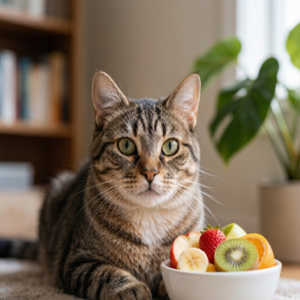
Which Fruits Are Safe and Healthy for Cats?
In moderation, fruits like watermelon, papaya, cantaloupe, apple, kiwi, strawberry, blueberry, and banana can benefit cats by adding vitamins, fiber, and water that aid digestion and help cats who drink little avoid urinary issues. But cats are carnivores whose core nutrition comes from meat protein, so keep fruit minimal to avoid soft stools or diarrhea. Always remove peel and seeds, and never offer toxic fruits such as grapes, raisins, persimmon, lemon, cherry, or avocado.
Why Has Your Cat Suddenly Become Aggressive?
A cat can turn aggressive for many reasons, including physical health problems, social conflict, bad past experiences, lack of play and stimulation, and fear or stress. Owners should learn their cat's physical and emotional needs and provide affection, social contact, stimulation, and a safe environment to prevent negative moods. If the aggression persists or worsens, have the cat checked at a veterinary clinic and, when needed, consult a professional animal behaviorist.
Cat ‘Garlic-Clove’ Coat vs. Dirty Fur: How to Tell Them Apart
A 'garlic-clove coat' is a cat-lover's term for fur that parts into neat, clove-like segments — a sign of dense, healthy undercoat on a slightly plump cat, borrowed from the fur industry's 'garlic-clove fur.' It feels smooth and springs apart with a light rub, usually along the neck, back, and sides. Genuinely dirty or oily fur, by contrast, clumps in greasy, sticky strands near the paws, belly, or tail tip. A garlic-clove coat signals good nutrition (but possibly excess weight), while real dirt needs a bath. Keep the coat lush with high-protein food, B vitamins, fish oil, and regular brushing.
Why Does My Cat Keep Pawing at the Water Bowl?
Cats are intelligent, clean-loving animals, and pawing at the water bowl usually signals something specific rather than random mischief. The behavior may mean your cat finds the water unclean, simply enjoys playing with water, feels bored or unhappy, or is trying to get your attention. Because drinking enough water is vital to feline urinary health, it is worth addressing. Keep the bowl clean and fresh, consider a circulating fountain to encourage drinking and curb the pawing, and provide engaging toys to burn off excess energy. Paying attention to your cat's mood and offering companionship also reduces attention-seeking behavior. Understanding the cause is the first step, so you can respond with the right fix instead of scolding.

Will Hitting a Cat Stop It From Peeing on the Bed?
Many cats develop a habit of urinating on the bed, and the strong odor of cat urine makes the smell linger even after cleaning, causing real frustration for owners. Some pet parents believe a quick swat will teach a lesson, but punishment rarely works. Most cats that are hit will hold a grudge and may urinate on the bed even more, or act out with scratching, sofa damage, or nighttime attacks. In truth, bed-wetting usually signals an underlying issue—heat cycles, stress, or a urinary or reproductive disease—not defiance. The right approach is to rule out medical problems, consider spaying or neutering, check the litter box, clean accidents thoroughly, and reward correct toileting. Guidance, care, and positive reinforcement, rather than punishment, are what truly resolve the behavior.
Foods You Should Never Feed Your Cat
Cat food is the safer choice over table scraps because it is balanced for a cat's needs, while homemade meals are hard to get nutritionally right. Some human foods are downright dangerous for cats. Allium vegetables - onion, scallion, garlic, leek - cause vomiting, diarrhea, anemia, and bloody urine, and the toxins survive cooking; avocado brings similar dangers and can be fatal. Chocolate causes diarrhea and vomiting and, in quantity, sudden death. Raw eggs can trigger diarrhea, skin, and eye problems (cooked is fine); shellfish can cause skin disease; and dog food lacks taurine, so long-term feeding leads to taurine deficiency. Milk and fish are okay in small amounts, but go easy on high-magnesium dried seafood to avoid stones.
The Secret Story Your Cat’s Urine Tells
A litter box is a daily health report if you know how to read it. Volume, color, and smell reveal early warnings of kidney disease, diabetes, infections, or bleeding. Tracking frequency, amount, color, and odor helps catch problems before they grow, and gives your vet useful data when something looks wrong.
Four Winter Diet Points to Keep Cats Healthy
Cold weather means cats burn more energy and need smarter feeding to stay well. Beyond cat food, add freeze-dried meat snacks like chicken, quail, or herring to keep energy up, top up vitamins and trace elements, supplement calcium in moderation, and make sure your cat drinks enough warm water. These four adjustments help fend off the minor illnesses winter tends to bring.
Four Winter Diet Tips to Keep Cats Healthy
Cold weather raises a cat's energy needs and weakens its natural defenses, making winter a season of extra health risks. Supporting your cat's immunity through diet is one of the simplest ways to help it sail through the cold months. From adding more meat to the kibble to topping up vitamins, calcium, and warm water, here are four practical feeding adjustments every owner should know for a healthy, comfortable winter.