Search Results
74 results for “cat urethritis”
What happens if a Golden Retriever drinks too little water?
Too little water makes a Golden Retriever's stool hard and dry, causing constipation, abdominal pain, and reduced defecation. It also concentrates urine and raises the risk of urinary disease such as urethritis, bladder stones, and nephritis, and in heat can lead to heatstroke and dehydration, so ensure ample water.
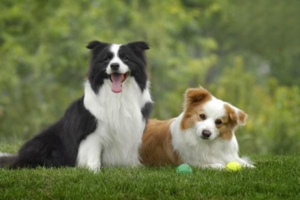
What to Do When Your Dog’s Urine Has Blood in It
Blood in a dog's urine can come from heat cycles, food poisoning (onions, grapes, chocolate), or urinary tract problems like inflammation or stones. Find the cause first: observe, hydrate for poisoning, and see a vet for urinary or unexplained cases - never self-medicate.
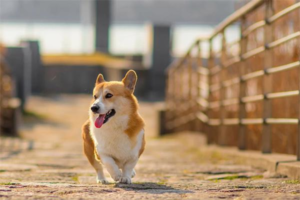
How to Take Care of a Corgi
Corgis—those adorable 'short legs'—need careful care to stay healthy. Feed on a 'moderate, timed, fixed-spot' routine: about three meals a day, each finished in 5–10 minutes, with constant water. Don't overfeed; corgis love food and gain weight easily, and obesity drives heart disease and strain on their leg joints. Their thick coat sheds heavily, so brush often to prevent mats, and add lecithin and fish oil for skin and coat. They are energetic and need daily walks or runs. Because their low build lets dirt reach the urethra, keep the environment clean and watch for discharge. Train with clear rewards and corrections, and start 'quiet' training early since they bark loudly.

Enrofloxacin for Pets: What It Treats and Key Safety Notes
Enrofloxacin is a third-generation fluoroquinolone antibiotic made for animals. It works by blocking a bacterial enzyme needed for DNA replication, and it is commonly used for urinary, reproductive, digestive, and skin or soft-tissue infections in dogs and cats. It is prescription-only: typical oral dosing is 5–10 mg/kg per day, and several groups should never receive it. Always follow your veterinarian's plan.
- « Previous
- 1
- …
- 6
- 7
- 8