Search Results
174 results for “cat toys in water”
Helping a Cat Through Moving Stress
After a move a cat may hide, pant, stop eating, or even develop feline idiopathic cystitis from stress. Set up a quiet 'safe base' with its familiar bed, toys, and scent, run a synthetic pheromone diffuser, and speak and pet gently without forcing it out. If it refuses food and water over 24 hours, vomits, strains to urinate, or breathes fast with pale gums, see a vet — adapting can take 1–2 weeks.

How to Care for a Cat with a Sensitive Stomach
To reduce digestive problems, owners should brush the cat often, keep its environment comfortable, feed sensibly, encourage exercise, deworm and vaccinate on schedule, and monitor its stools. A cat's gut is fragile, so a balanced diet, clean bowls, slow food changes, and avoiding harmful human foods (chocolate, onion, garlic) all matter.
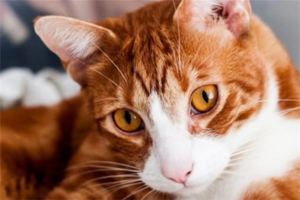
Can You Give a Cat Ice Water to Cool It Down in Summer?
Cats handle heat better than cold; icy water can cramp their gut (pain, diarrhea, vomiting) and many cats dislike cold water and may refuse it, raising heatstroke risk. Offer room-temperature fresh water, ventilate, and use a fan or AC without blowing directly on the cat.
How to Comfort a Cat After It Gets Scared
Move a scared cat to a quiet, enclosed space (a bedroom or carrier) with its familiar blanket and toys, close doors and curtains, and use a pheromone spray. After it settles, crouch about a meter away, offer a finger for it to sniff, then pet the forehead or chin. Keep the home calm for 24 hours. Watch for signs of true stress — not eating, vomiting, or straining to urinate — and see a vet if they appear.
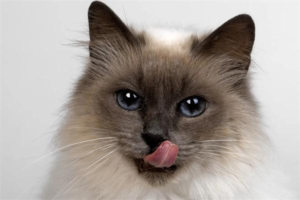
What to Do If Your Cat Has a Difficult Temperament
A grumpy cat may be unmet in its needs or physically uncomfortable; neglect, poor diet, or illness all show as bad mood. Find the cause first. Build a calm, stable home, spend daily time playing and bonding, meet its physical and emotional needs, and be patient through heat or pregnancy — most cats warm up with steady, gentle care.

What Are the Signs That a Cat Is Sad?
Sad cats often show it through loss of appetite, hiding, watery eyes, over- or under-grooming, and poor sleep. Comfort them by respecting their space, offering a safe retreat, and engaging in calm, low-pressure interaction.

What Do Cats Do When Home Alone?
Left alone, a cat mostly sleeps, grooms, plays and explores, watches the window, eats and drinks, and uses the litter box — and waits for you. Long solitude can breed loneliness or even depression, so give a safe space, food, water, toys, and as much company as you can.
Why Does My Cat Keep Meowing in the Early Morning?
Early-morning meowing is usually normal — cats are crepuscular hunters wired to be active at dawn and dusk, and they may simply be hungry, thirsty, or asking for the balcony. It can also become a learned habit if you always get up to feed or play when they cry. The fix is to ignore the crying until they quiet down, then reward calm behavior, and tire them out with play before bed.

How to Improve Your Cat’s Happiness
A cat's happiness rests on four pillars: balanced nutrition, a safe and stimulating home, regular interaction, and consistent preventative healthcare. Feeding scheduled meals, providing hiding spots and toys, playing 10 to 15 minutes a day, and keeping up with vaccines, deworming, and dental care together build a contented, healthy cat.

8 Signs Your Cat Is Happy and Well Cared For
A well-cared-for cat shows it in clear ways: wild, relaxed sleep poses (even belly-up) in any corner of the home; actively rubbing against your legs and curling up in your lap; daily playfulness and curiosity about new toys; a tail held high like a flag while walking; steady appetite without pickiness and regular drinking; a coat that is soft, glossy, and free of grease or dandruff; a consistent daily routine; and a stable weight in the healthy range. You don't need perfection — meeting two or three of these already means your care is on point. Beyond that, keep up vaccines, deworming, and a clean environment.