Search Results
174 results for “cat toys in water”

How to Disinfect Your Home After a Dog Has Parvovirus
After a dog is diagnosed with parvovirus, thorough home disinfection is essential to protect other pets. Use UV light, high-temperature washing, alcohol or potassium permanganate wipes, vet-approved disinfectants, and daily ventilation, repeating for at least six months.
My Dog Won’t Poop or Pee in a New Home — What to Do
A dog that holds its pee and poop for 12–24 hours after a move is usually just stressed — a normal self-protective response. Set up a small, quiet, familiar space, use its own scent to mark the new toilet spot, and see a vet if it goes over 36 hours or seems unwell.
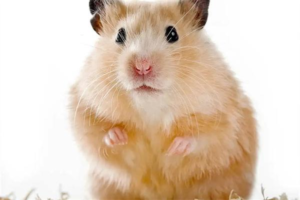
What to Do When Your Hamster Sneezes and Twitches
Sneezing can come from a cold, allergy, or irritants (dusty bedding, perfumes). If it sneezes and twitches often, check whether bedding dust is high and switch to low-dust; remove any new toy, food, or decor with strong scents and watch. Note its spirit, appetite, and energy — if no other signs (runny nose, red eyes, lethargy), it's likely mild irritation or allergy. With those signs, see a vet. Keep the cage clean and warm, and ask a vet before giving any medicine.
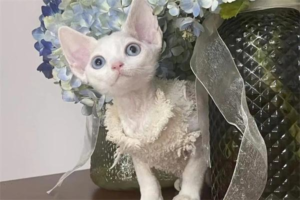
How to Prevent Feline Idiopathic Cystitis (FIC)
Feline idiopathic cystitis is tied to stress, low water intake, and holding urine. Lower the risk by keeping the home environment stable and calm, encouraging drinking with fountains and wet food, and scooping and sanitizing the litter box in a quiet spot.

Things to Consider When Taking Your Dog Home for the Spring Festival
Traveling home with your dog for the holidays takes planning: confirm your dog is healthy, pack its essentials, and get it used to the car (or sort out pet shipping papers 1–2 weeks ahead for train or air travel). Once at a new environment, ease its anxiety with a quiet space and familiar routine, and during the festival guard against fireworks stress, escape risks from frequent visitors, and toxic human foods such as chocolate, grapes, and onions.

What Are the Signs That a Dog Feels Guilty?
A guilty dog often lowers its head, avoids eye contact, stiffens its body, pins its ears back, and tucks its tail, and may try to appease you with frantic licking or by offering a toy. This guide explains the common signs of canine guilt and how to correct misbehavior with positive reinforcement rather than punishment.
What to Do When You Bring Home a Found Kitten
Finding a stray kitten is tempting to take home right away, but the right sequence protects both the kitten and your household. Because strays can carry parasites, panleukopenia, or ringworm—some transmissible to other pets and people—the first step is a veterinary check-up before the kitten enters your home; treat any illness in the clinic first if needed. At home, set up a quiet, enclosed room with a litter box, water, and food so the kitten feels safe, and avoid bathing it, which can trigger stress and illness. Ease the diet in with plain food and probiotics rather than rich treats. If you have resident cats, isolate the newcomer for 7–15 days, then slowly mix scents before supervised meetings. Finally, deworm and vaccinate (FVRCP and rabies) after a short settling period.
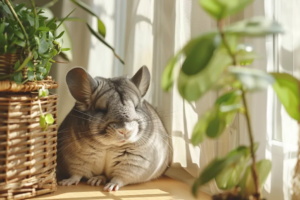
How to Handle a Chinchilla in Frequent Heat
Chinchillas breed readily, and frequent heat can make both owners and pets uncomfortable. Adult males are almost always ready to mate, while females come into heat about once a month, becoming noisy and restless. If you plan to breed, provide a quiet, well-prepared environment and proper nutrition; if not, separate cage-mates, offer chew toys and interaction to burn energy, and consider neutering. Because repeated heat shortens a chinchilla's lifespan and raises stress, neutering is the most fundamental, health-protecting solution for non-breeding pets.

How to Feed a One-and-a-Half-Month-Old Chinchilla
A chinchilla at six weeks is weaned and ready to come home, but it is still fragile and needs careful feeding. Base the diet on hay and chinchilla pellets, with alfalfa hay as the young staple and the occasional timothy hay to ease the gut, and avoid treats before eight months. Feed small amounts several times a day, always provide fresh water via a bottle, keep the cage dry and clean, and give a multi-level cage with a wheel and regular free time.
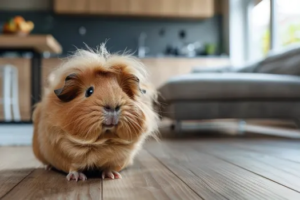
Why Does Your Hamster Have Soft Stools?
Hamster soft stools can stem from diet, infection, water, or stress. A fragile digestive system reacts badly to too much fruit or vegetable, moldy food, or unbalanced feed; bacteria or viruses can inflame the gut; poor or scarce water upsets it; and heat, environmental change, or fright lowers immunity. If you see soft stools, cut back on produce, check the water source, switch to a balanced diet with more protein and fat, keep the cage clean, and consider probiotics or medication for serious cases. If stools come with poor appetite or low energy, see a veterinarian promptly.