Search Results
158 results for “cat toxin symptoms”

Botulism (Clostridium botulinum Toxin) in Dogs and Cats: Symptoms, Treatment, and Prevention
Botulism is a poisoning disease caused by ingesting the neurotoxin produced by Clostridium botulinum in spoiled animal carcasses or feed. It is marked by paralysis of the motor and bulbar nerves.

Symptoms and Treatment of Mushroom Poisoning in Dogs
Dog mushroom poisoning occurs from ingesting toxic mushrooms. But not all mushrooms are poisonous. Each toxic mushroom causes different symptoms. Poisonous mushrooms are divided into four major categories by clinical symptoms, or seven categories by the toxins they contain. Onset of symptoms can occur minutes to hours after ingestion and can affect any part of the body.

Symptoms and Causes of Cat Poisoning
Curiosity really can kill the cat. Cats always like to explore their surroundings, using their natural instincts to explore and hone hunting skills. Unfortunately, a cat's curiosity can easily get it into trouble, and a slight misstep may lead to poisoning.

Dog Nephritis: Symptoms and Treatment
Dogs, like people, get sick. Kidney inflammation is a common and usually serious disease - bilateral kidney lesions from a post-infection allergic reaction, a wandering glomerular damaging disease, mostly from blood stimulation. So what are the symptoms of chronic nephritis in dogs?

Early Symptoms of Feline Panleukopenia (Cat Distemper)
Many new owners know cat distemper is scary but not its specifics or treatment. Here's an introduction.

What Is Feline Kidney Failure: Symptoms and Treatment
Lower urinary tract disease (bladder and urethra) is common in both sexes; mechanisms are bladder-wall injury and irritation of sensory nerves, increasing resistance to urine flow or causing pain or inflammation. Symptoms: long squats, frequent urination, blood in urine or outside the box, reduced appetite or vomiting.

What Are the Symptoms of Cat Poisoning?
Curious cats may eat something toxic and show vomiting, diarrhea, cough, breathing trouble, drooling, and spasms. Never give human drugs blindly - get the cat to fresh air and a vet at once if it collapses.
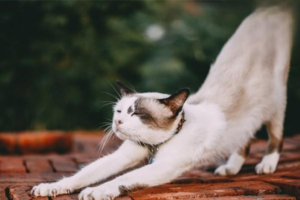
What Is Chronic Diarrhea in Cats?
Chronic diarrhea in cats causes weight loss, slack anus, weakness and dull coat; it is usually chronic gastroenteritis from irregular or greasy diet. Below we explain symptoms and treatment.

Early Symptoms of Uremia in Dogs
Canine uremia is a toxic syndrome from kidney failure that lets metabolic wastes build up. Signs include lethargy, vomiting, diarrhea, breathing and heart changes; peritoneal dialysis is the main treatment and needs urgent vet care.

What to Do If Your Cat Swallows a Foreign Object
Items a cat may swallow: thread and needles, wool, hair ties, rubber bands, coins, balloons, earplugs, fruit seeds and pits, nut shells, baby-bottle nipples, and various fibers.