Search Results
190 results for “cat toilet”
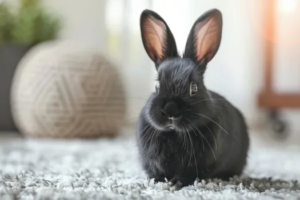
Rabbit Constipation: Causes and How to Prevent It
Rabbit constipation, common in young and old rabbits, comes from dry hardened gut contents due to poor feeding, too much concentrate, low water, or too little exercise, and can block the gut. Signs are poor appetite, hard small stools, then no stool with a painful belly and palpable hard masses. Prevent with balanced feed and water plus exercise; treat early with greens and, for severe cases, sodium sulfate or salt laxatives.

What Do Golden Hamsters Eat? How to Care for Them
Golden hamsters are omnivores that hoard food, so offer staples (pellets, oats, millet) plus small amounts of safe fruit, veg, meat, and insects — never apple seeds, onions, chocolate, or human food. Keep them at 20–28°C with soft bedding and good ventilation.
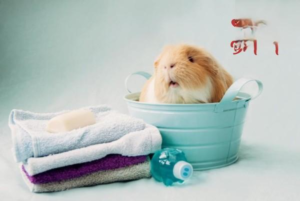
How to Keep a Hamster Cage from Smelling
Hamster odor comes from poor cleaning and messy habits. Control it with a pellet-and-water diet (limit watery fruit and protein), absorbent bedding changed every 3–4 days in summer, regular sand baths, and frequent cage disinfection in a ventilated spot.

How to Prevent Skin Disease in Shih Tzu Bear Hamsters
The Shih Tzu bear hamster has long, beautiful fur but is prone to skin disease. Causes include wrong bedding (wood shavings, paper pellets) that mats the coat, and urine left on the fur causing hair loss and sores. Treat by clipping and cleaning the spot, then applying an antifungal or antibacterial medicine with an Elizabethan collar. Prevent it with a roomy, dry, cool cage, cat-litter or tissue bedding, litter training, and regular sand baths.
My kitten keeps sneezing.
Common causes: 1) house dust irritating airways; 2) dusty litter; 3) nasal foreign body - remove it; 4) cold or feline herpesvirus (cat flu) - sneezing and runny nose are cold signs; young kittens catch colds easily, so check.
How do I train my dog to use a designated spot for elimination?
Before training, set up a dedicated dog toilet and rub a little of its feces/urine on it, or spray attractant. Dogs usually need to go ~30 min after eating and ~15 min after drinking; when you see circling, sniffing, or a tense look, move it there. After it goes, praise and treat. If it slips up, clean up and keep trying.
What is the meat rabbit’s personality like?
Meat rabbits are like pet rabbits: timid, gentle, calm at first then lively at home, clean with fixed toilet spots. But low intelligence limits training and interaction.
How to train a dog to eliminate in a fixed spot?
Prepare a dog toilet with its own feces scent or attractant. Take it there after meals and water when it circles or sniffs, and reward success. Clean accidents and keep trying.
How to train a Golden Retriever to relieve itself in a fixed spot?
Training a Golden Retriever to use a spot is best started around one month old. Goldens usually defecate about half an hour after eating, so set a feeding schedule to predict elimination, and take the dog to the spot near that time. Also, let the dog's toilet retain the scent of its waste so it returns to the same place next time.
How to train a Golden Retriever to potty
Golden Retrievers are smart and easy to train. Puppies can't hold it, so set up a dog toilet, smear some feces and urine on it, and clean other spots so the dog follows the scent. When it sniffs and circles before defecating, take it to the toilet and reward success with snacks.