Search Results
251 results for “cat territory”
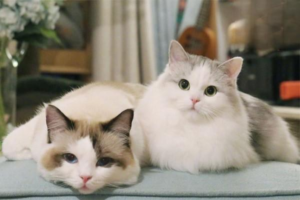
How to Make Your Indoor Cat Happier
Indoor cats need enrichment to stay happy: clean litter boxes, quality food, toys, scratching posts, perches, and daily play. A stimulating home keeps a curious cat healthy and content.

What to Do When a New Cat Won’t Use the Litter Box
A cat arriving in a new home is stressed and may ignore the litter box, mostly because the box carries no familiar scent to mark it as a toilet. The fastest fix is to keep the cat's original box, or — for a cat that was shipped — confine it with a box in a small space so it learns by scent. Also make sure the box sits somewhere quiet and private, holds the litter it knew before, and is not shared with a resident cat.

Signs Your Cat Resents or Dislikes You
A cat that feels wronged by its owner may show it through hostile looks, unusual destruction, coldness toward you while warming to strangers, claiming your territory, house-soiling, trying to escape, or guarding its food. Most are protest behaviors, but food guarding should be corrected promptly.

Decoding Cat Behavior
A cat's 'disgusted' face is the Flehmen response sniffing pheromones; purring eases pain and heals bone; a love-bite means 'stop'; cats know their name but often ignore it; and knocking things over is attention-seeking or hunting practice. Reading these cuts the confusion.

How Cats Show Affection: Common Loving Behaviors
Cats express affection through a surprising range of body language — purring, slow blinks, head rubbing, and kneading are all signs of trust and contentment. Rolling onto their back or trailing after you from room to room means they feel safe and have claimed you as their own.

Little-Known Facts About Cat Breeding
Cat breeding is far more than putting a pair together: a queen's heat can be broken by changing her environment or a pheromone spray (not risky 'heat-stop' powders or the unsafe swab trick), a neutered tom may still mount from leftover hormones if fixed late, and a queen's scream at mating simply means the barbed-penis trigger worked and she has ovulated. Pink nipples hint at pregnancy but can also mean a false pregnancy, so they are not proof on their own.
Six Signs Your Cat Has Bonded With You
A cat that kneads you, slow-blinks, shows its belly, sleeps beside you, purrs, or head-butts you is displaying clear signs of trust and affection. These behaviors, rooted in kittenhood and scent-marking, show your cat sees you as family rather than just a source of food.
What Are the Benefits of Neutering Your Cat?
Neutering curbs estrogen-driven behaviors, making a cat calmer and easier to live with, and — when done before age five — can extend its lifespan by avoiding the physical toll of repeated heat and breeding. Watch the incision site afterward: mild inflammation needs daily disinfection with an E-collar, while a widening wound or pus means a vet visit for possible re-suturing.
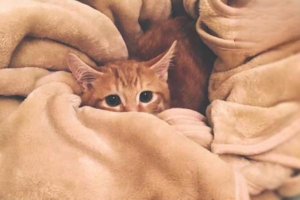
Why Does Your Cat Sleep in the Litter Box?
A cat that sleeps in its litter box usually signals insecurity, illness, stress, or a lack of better hiding spots. Medical causes like joint or abdominal pain warrant a vet check, while multi-cat households may need extra boxes to protect territory. Observe your cat's behavior to find the real cause.

What Does It Mean When a Cat Hisses?
A hissing cat is mimicking a snake — a defensive 'protective mimicry' that signals fear or stress, not aggression for its own sake. It shows up when territory, hunting, mothering, or handling trigger alarm, and pushing the cat harder can spiral into dangerous stress (even FIP or cystitis). Give space, avoid cornering, and let the cat decompress.