Search Results
465 results for “cat temperature”
What to Do When Your Cat’s Temperature Drops to 37°C
A normal cat temperature sits between 38.5°C and 39.5°C, so a reading of 37°C is below the healthy range and worth taking seriously. The right response depends entirely on the cause. Sometimes it signals a weak or sick cat that needs warmth and a vet; other times it is a normal, expected dip just before labor. Here is how to tell the difference.
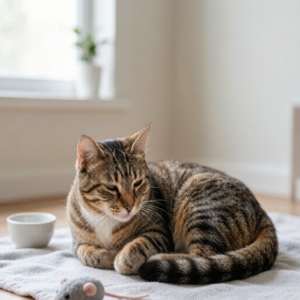
Why Do Cats Have Difficult Labor?
Dystocia in cats has many causes: existing health problems or illness during pregnancy, overly large kittens, abnormal positioning, or stress during delivery all raise the risk. Before birth, take steps such as a prenatal check to lower the risk and protect mother and kittens.
Bad Breath in Dogs and Cats Is Not “Heat”—3 Types to Self-Check
When dogs or cats have bad breath, many owners assume “heat” and reach for cooling teas or herbs—but most pet halitosis is a disease signal, not a temperature issue. A rotten, fishy odor with red gums, tartar, hesitant eating, or drooling points to periodontal disease (over 70% of pets over 3 years); a strong urine or ammonia smell with extra drinking, extra urination, lethargy, and low appetite signals declining kidney function; and a sour, fermented odor with burping, acid reflux, worse on an empty stomach, and soft stool points to gut or liver trouble. Mild breath, teething at 3–6 months, or a meaty diet smell are normal. Severe or symptomatic breath warrants a vet visit—blood and organ checks—not “cooling” remedies.
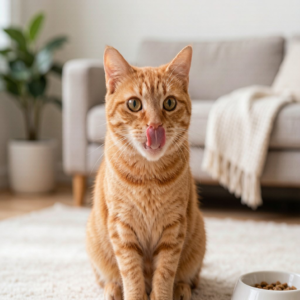
Why Does Your Cat Stick Out Its Tongue?
Cats stick out their tongues for many reasons, including cooling down, cleaning the mouth, relaxation, and illness, or simply as a normal habit. They pant lightly to release heat through tongue vessels, and their barbed tongues groom the body and clear food and bacteria from the mouth. Frequent or long-lasting tongue-out behavior, though, can signal a health problem worth checking.
Why Won’t Your Cat Let You Touch Its Paws? (And How to Trim Nails)
A cat's paws are vital tools for hunting, defense, climbing, and sensing, and the hunting instinct remains even in pets, so a paw grab can feel like a threat. Paws also carry five times the nerve endings of a human fingertip and hold scent glands in the pads used to mark territory, making them extra sensitive. If a usually tolerant cat suddenly refuses paw contact, suspect pain from interdigital dermatitis, a paw injury, or arthritis, and watch for limping, obsessive licking, red swollen pads, or stiff wrists. A gradual, reward-based training plan helps most cats accept handling, but always stop if the cat shows stress.
Can Cat Flu Leave Lasting Effects After Recovery?
Feline rhinotracheitis (cat flu), caused by feline herpesvirus FHV-1, cannot be cured—the virus hides for life in the trigeminal ganglion and can reactivate whenever the cat is stressed, the season changes, or immunity dips. Most cats recover and live normally, but some are left with mild, manageable effects: a sensitive nose that drips in cold or dusty air, heavier tear staining from narrowed tear ducts, or—in high-risk cases—repeated flare-ups that can progress to chronic bronchitis or pneumonia. Good care (warm stable surroundings, humidity control, stress avoidance, balanced nutrition with lysine and vitamins, and regular vaccines) keeps recurrence rare. This article explains the sequelae, why only some cats get them, and how to minimize repeat episodes.
Why Are Your Cat’s Paw Pads Warm?
Warm paw pads are a normal physiological phenomenon in cats, the result of metabolism, circulation, and the keratin layer working together. Paw pads naturally run warmer because they hold many sweat glands that help release heat and regulate body temperature. After activity or in a warm room, warm pads are expected. Only abnormally hot pads with clear discomfort suggest a health problem worth checking.
Why Is Your Cat Panting in the Car? Causes and What to Do
If your cat pants with its mouth open on a car ride, don’t ignore it. In most cases—around 80%—it’s fear: indoor cats suddenly confined in a small, noisy, vibrating space experience a spike in adrenaline that speeds up heart and breathing, and open-mouth breathing is how they meet the higher oxygen demand. But panting can also signal heatstroke, carsickness, or an underlying heart or respiratory condition. This article explains the main causes, how to tell them apart, and a graded response—from calming a mildly stressed cat to urgent steps if the tongue turns blue—so travel becomes less frightening for everyone.
Cat Won’t Drink in Summer? 8 Tips to Get It Drinking on Its Own
A healthy adult cat needs about 50-60 ml of water per kg of body weight each day, but dry kibble is only around 5-10% moisture, so summer drinking matters even more. Cats sweat only through their paw pads and ears and cool poorly, so low intake risks heat stress. Practical fixes: use a shallow ceramic or glass bowl (deep bowls annoy whiskers), offer a filtered running-water fountain, keep bowls over 1.5 m from the litter box and place several around the home, rehydrate freeze-dried food, serve wet food in the evening, and offer unsalted broth a few times a week. Senior, obese, and chronically ill cats need closer monitoring for dehydration.
Health Checks to Do After Rescuing a Stray Cat
Before a stray cat joins your home, a veterinary check-up protects the cat, any resident pets, and your family. Strays can carry parasites, skin disease, or hidden infections, so a targeted exam is worth the cost. Core tests include a physical exam, infectious-disease screening (panleukopenia, coronavirus, calicivirus, herpesvirus; add FIV and FeLV if you have other cats), a fecal exam for internal parasites, and a blood count to flag anemia, inflammation, or dehydration. Imaging or a Toxoplasma test may be added for specific risks. To keep costs down, ask clinics about rescue discounts, look for packaged wellness plans, and have the vet handle basic grooming during the visit. Always isolate the new cat for 7–14 days, deflea and deworm, then start vaccines once it has settled in.