Search Results
7 results for “cat teething stages”

How to Feed Cats at Different Life Stages
Feeding changes with age: newborn kittens need mother's milk or kitten formula (never cow's milk), wean onto soaked kitten kibble by two to four months, add cans and egg yolk through six months, switch to adult food after a year, and move seniors to soft or soaked meals. Match the diet to each stage to avoid malnutrition and tummy trouble.

Basic Facts About Cat Teeth
A cat's mouth has four kinds of teeth: incisors (the small front teeth, hard to see but visible when you open the mouth), canines (every owner's nightmare - long and sharp), and further back, premolars and molars used for chewing kibble and hard food.
My Cat Won’t Eat, Drink, or Use the Litter Box, Is Lethargic; the Vet Said Poisoning but It Doesn’t Seem Like It
Many reasons for not eating or drinking - illness (early or late) or normal physiology (teething, estrus, pickiness, but not complete refusal). If disease symptoms present, it's pathological. Judge by clinical signs; best get tests to rule out causes. If suspected poisoning, follow vet's detox and IV to speed metabolism; if not poisoning, more tests needed.
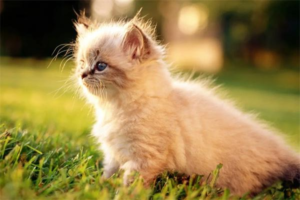
A Cat’s Life Stages and Care Tips
A cat's average life is about 15 years. Key stages: kitten (0-6 mo, wean and vaccinate), young adult (1-3 yr), adult (3-6 yr), mature (7-10 yr, senior food), senior (11-14 yr, yearly exams), and geriatric (15+ yr, twice-yearly vet visits). Spay/neuter if no breeding plan.
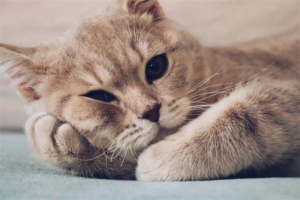
How to Handle Bleeding Gums in Cats
Bleeding gums in cats are usually caused by tartar, periodontal disease, loose teeth, poor nutrition, or injury. Check the mouth, use pet-safe oral sprays, brush regularly with cat toothpaste, and see a vet if inflammation or heavy tartar is present.

Simple Feeding Guide for Puppies and Kittens 0–1 Year
A general puppy/kitten feeding guide! 'General' means it suits most babies; it covers clothing, food, and shelter across three life stages.

pug
The Pug, originally from China and also called the Hapa dog, is charming and elegant. Named 'Pug' in the late 18th century (an old word meaning ghost, lion nose, or little monkey), it is prone to inverted eyelashes, many facial folds, entropion, and blocked tear ducts leaving visible tear stains.